Detailed Explanation of Key Cherry Spring Management Techniques
Cherries are planted on a very large area in China, and when growing cherries, their management work is very important. The quality of management directly affects the yield and quality of cherries. When managing them, we need to adjust our management methods according to seasonal changes. So now that spring has arrived, how should they be managed? Today, the editor brings you the spring management techniques for cherries. Let's take a look below!
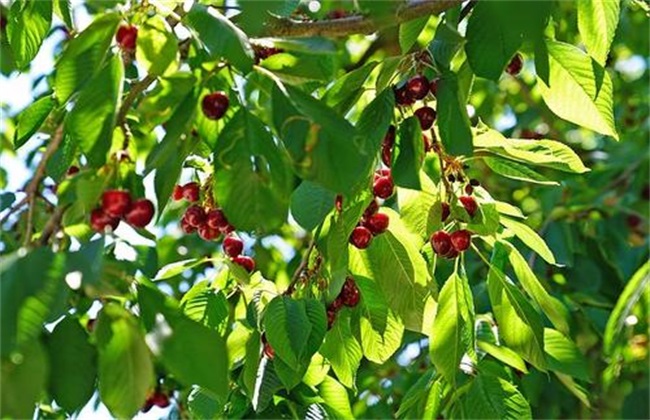
1. Water well in spring
Watering cherry trees in spring is very important. If they are planted in areas with insufficient spring rainfall and relatively severe drought, then watering should be done in a timely manner in combination with fertilization work. Then, after about two weeks, water the cherry trees once more before flowering. This can not only prevent the soil from becoming too dry, but also lower the ground temperature, thereby delaying the flowering and fruiting period of the cherry trees. Then, an appropriate amount of lime sulfur mixture should also be sprayed to do a good job of sterilization and disinfection. It is best to whitewash the tree trunks to reduce the harm of ultraviolet rays and avoid the tree temperature rising too quickly. This ensures that the cherry trees can be at a suitable pollination temperature during full bloom, improving their fruit-setting rate.
2. Pay attention to fertilization
In addition to watering well, we must also pay attention to doing a good job of fertilization. Cherries have a very large demand for nutrients during growth. If nutrients are insufficient, then the yield and quality of the fruit will be seriously affected. It will also increase the proportion of small fruits and deformed fruits, leading to a decline in planting benefits. Therefore, in spring, we should fertilize in a timely manner. Supplement the cherry trees with various nutrient elements such as nitrogen, phosphorus, potassium, calcium, magnesium, and zinc to ensure normal growth and development of the cherry trees and avoid deficiency symptoms.
3. Management of young trees
In spring, the management of young trees is very important. For young trees, we should do a good job of branch pulling, bud notching, and pinching. Cut off the vigorously growing branches in the inner canopy of young trees. For trees around 4 years old, an appropriate amount of flower-promoting agent should be sprayed to encourage fruiting trees to promote flowering as early as possible and increase the amount of flower promotion. Then, for trees less than three years old, fertilization should mainly be nitrogen fertilizer. For young trees with too few lower branches, we should heavily cut them back to encourage young trees to branch as early as possible and expand the tree canopy. Finally, newly planted young trees should follow the principle of two years and three prunings to ensure healthy growth of the young trees.
4. Pruning and shaping
After the cherry tree sheds its leaves, the overall shape of the tree and the branch form will be fully revealed. Therefore, this is also the key period for pruning and shaping cherry trees. We can do a good job of branch pulling according to the growth needs of the cherry tree. And for inner-canopy branches and back branches without flower buds, they should all be cut off from the base. After the fruit is picked, combined with summer pruning work, remove the inner-canopy branches that do not need to be kept. Finally, when banking soil, the tree base and tree basin should also be tidied well, and drainage ditches should be dug.
The above is a brief introduction to cherry spring management techniques. That is all for today's introduction. This article is for reference only, and we hope it can help everyone!