What practical measures are there to remove acidity and increase sweetness in citrus
In citrus production, many farmers hope their citrus will be very sweet. Citrus becomes sweet because of the accumulation of sugar, but if the fruit is never sweet, then you should not look only at the sugar content, because citrus also contains organic acids. So what should be done with citrus to remove acidity and increase sweetness? Come take a look with the editor.
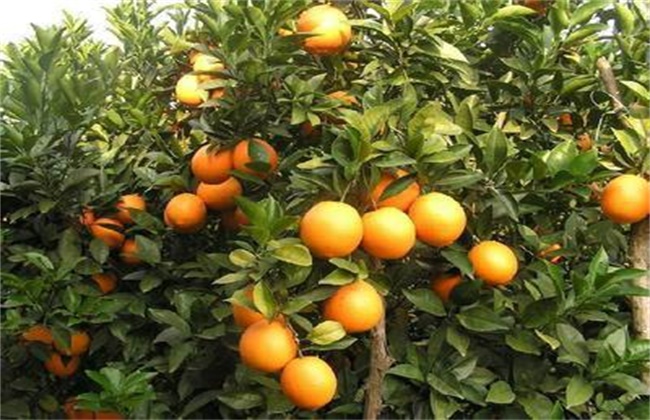
1. Apply more organic fertilizer
According to experimental investigations, some high-sweetness varieties, because of large amounts of chemical fertilizer application, will have lower sugar content, higher acidity and reduced flavor. These are all caused by partial application of chemical fertilizer, because nitrogen can promote vegetative growth, inhibit reproductive growth, cause delayed fruit coloring and dull color, and excessive potassium in leaves will increase fruit acidity and make the flavor weaker. In citrus production, applying more organic fertilizer can not only meet the needs of growth, but also supplement a variety of medium and trace elements, improve soil acidity, increase fertilizer utilization, and increase soil fertility, thereby increasing sweetness.
2. Apply base fertilizer early
Many fruit growers are used to applying base fertilizer in winter. If it is changed to applying base fertilizer in autumn after picking, then the early base fertilizer is very easy to ferment and decompose and is easily absorbed by the tree, which is conducive to the decomposition of organic fertilizer in winter and spring and the release of nutrients. This causes citrus to send out new roots in time, which is beneficial to the next year's growth, because it supplies the nutrients needed by citrus trees for flower bud differentiation and early flowering and fruiting, promotes flower bud differentiation, prevents flower and fruit drop, and can significantly improve citrus fruit yield and quality.
3. Apply more calcium fertilizer
Research has proved that the acidity level in citrus is closely related to the amount of calcium in the soil. Citrus with high calcium content has relatively lower acidity, and vice versa. The soil in the south is acidic, generally with a pH value between 5-6, and the soil is generally deficient in calcium. Therefore, lime calcium fertilizer should be added in time, which can effectively supplement the calcium content in the soil and also supplement the calcium element needed for citrus growth. Generally, 50-60 kg of lime is applied, spread on the soil, to reduce soil acidity, improve sugar accumulation, and increase sweetness.
4. Reasonably spray foliar fertilizer
During the fruiting period, spray 2-3 times a mixed solution of 0.2% calcium dihydrogen phosphate and 0.2% sodium dihydrogen phosphate. This can not only increase sweetness, but also increase the storage tolerance of citrus. Sometimes farmers also apply a sweetening agent, that is, in 700 kg of water, add boron fertilizer equivalent to 200 grams of pure boron, 2.4% sucrose, and 0.7 grams of calcium chloride. After dissolving, it becomes a “sweetening agent”. Spraying it on the leaves can significantly increase the sweetness of citrus.
The above is an introduction to measures for removing acidity and increasing sweetness in citrus. I hope it can help you. To learn more related knowledge, please follow us.