What are the key points of spring vineyard management techniques?
Grapes are a fruit that many people very much enjoy eating, and plenty of people grow them too. When growing grapes, a suitable management method is the key to ensuring grape yield and quality. And when we manage grapes, we need to reasonably adjust our management methods according to the changes of the seasons. So how should grapes be managed in spring? Below, the editor will give you a simple introduction. Let's take a look!
1. Watering to promote bud break
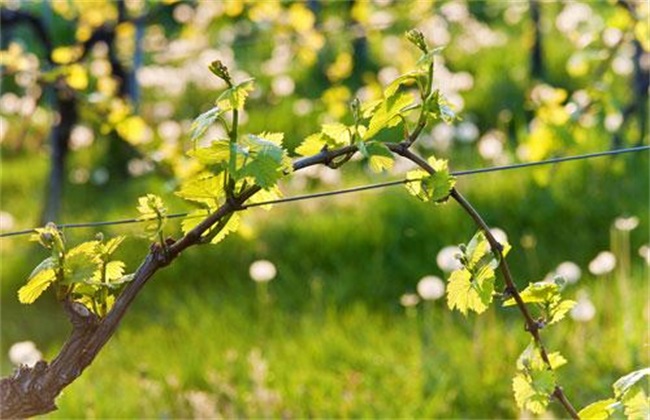
Around February to March each year, the grape vines gradually enter the budding stage. At this time we should pay attention to timely watering to promote bud break, and should also apply an appropriate amount of quick-acting nitrogen fertilizer. During this period, for those who are able, it is best to irrigate the whole vineyard to meet the water requirements of all the vines. Make sure the buds on every grapevine emerge evenly, and this time is also an important period for flower bud differentiation and new shoot growth of the grapevines. So the demand for nutrients is still very great, therefore an appropriate amount of decomposed farmyard manure should be applied to meet the nutritional needs.
2. Applying bud-promoting fertilizer well
When the buds on the grapevines begin to swell, you can apply bud-promoting fertilizer in good time. Because at this time, the root system of the grapevines begins to grow and has a strong absorption capacity. And this time is not only the budding stage of the grapes, but also when the grape flower buds continue to differentiate. There is a great demand for nutrient absorption by the root system, so at this time the fertilizer should mainly be quick-acting fertilizer. You can use fertilizers such as urea, dig a fertilization trench at a place about 50cm from the main vine, then fully mix the fertilizer with the soil and apply it into the trench. It can play various roles such as improving fertility, improving the soil environment, and promoting root growth.
3. Shoot and vine management
Shoot and vine management of grapes in spring is very important. We should pay attention to successively doing well the work of bud rubbing, shoot tipping and pinching. Bud rubbing and shoot tipping of grapes are mainly to maintain the nutrient balance within the grapevine, which has a very great influence on grape yield and quality. If winter pruning was done the previous year, then during spring pruning you can just make appropriate adjustments on the previous basis. If there are many buds, then leaving one bud about every 20cm on the main vine is enough. Finally, before the grapes bloom, keep 6-7 leaves above the flower cluster for pinching, leave about two leaves on the secondary shoots for pinching, then remove the buds at the base of the leaves, and afterwards repeat the pinching.
4. Unearthing and trellising
When the average daily temperature in spring stabilizes at around 10 degrees, remove the cold-protection soil in good time. Then after the grapes are unearthed, spread them out and let them dry in the sun for a period. And the branches should also be laid flat on the ground to prevent the apical dominance of the branches from being too strong and the budding rate from declining. After drying in the sun, the grape vines can be trellised. Pay attention to the growth vigor and the degree of inclination of the vines, tie the grape vines to the trellis, and do a good job of protection. The force should not be too great, to prevent the old vines from being damaged. Especially pay attention to protecting the buds, to avoid touching them and causing them to drop. Then the bed surface should mainly be low outside and high inside, and do a good job of drainage.
The above is a simple introduction to how to manage grapes in spring. That's all for today's introduction. This article is for reference only, and I hope it can help you!