Analysis of the Causes of Shoot Drying in Peach Trees and Detailed Prevention and Control Measures
Shoot drying in fruit trees is a common phenomenon. It not only causes disordered tree form, incomplete canopy and delayed fruiting, but may also cause the fruit tree to dry up and die. Peach trees are no exception, and are also highly prone to shoot drying in spring. So what causes shoot drying in peach trees? And how should it be prevented and controlled? Let's find out together.
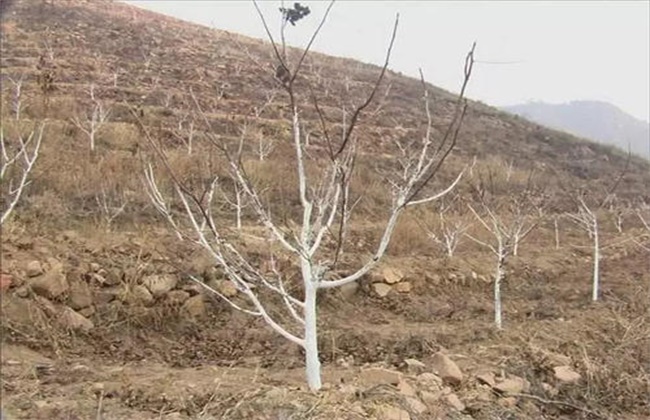
1. Impact of adverse factors
Generally speaking, peach trees that suffer from shoot drying are mostly those that were inadequately prepared for overwintering, caused by the effects of freezing damage and drought; or when the tree body has poor resistance and weak tree vigor, shoot drying can also occur under high temperature and drought conditions. In addition, if peach tree branches have many wounds, under intensified transpiration in spring they lose a large amount of water, which can also lead to shoot drying and death.
2. Internal causes
Whether shoot drying occurs in peach trees is closely related to the tree's drought resistance. Varieties with strong drought resistance have small lenticels on the branches, a small total lenticel area, well-developed protective tissues such as the cuticle and cork layer, low plant respiration intensity, a long time required to break dormancy, and a relatively well-developed root system. The second factor is the tree's state during overwintering. Generally, trees that grow robustly have strong resistance to freezing and drought, so shoot drying is mild, while weak trees grow poorly, have weak photosynthesis, accumulate few nutrients before overwintering, and therefore suffer more severe shoot drying. In addition, because water sprouts are not substantial and do not form a good protective layer, their resistance to freezing and drought is the poorest, and shoot drying is also relatively severe.
3. Preventive measures
First of all, water must be strictly controlled, especially autumn moisture. From the late stage of vegetative growth of peach trees until the winter irrigation, soil moisture content should be reduced. If autumn irrigation is not carried out, excess water should be drained, and intercropping crops that require a lot of autumn water should be avoided. Next is fertilizer control, especially nitrogen fertilizer. Nitrogen fertilizer must not be applied in the later stage, to avoid excessive vegetative growth, and more phosphorus and potassium fertilizer should be applied to strengthen tree vigor. At the same time, pruning methods such as pinching and twisting shoots can be used to control vigorous growth of the plant. In addition, pest and disease control should not be taken lightly.
4. Remedial measures
When shoot drying occurs, supplementary pruning can be done before flowering. In spring, remove branches killed by freezing and dead branches, and cut the dried shoots back to living tissue, then apply a special wound protectant for fruit trees to the cut. Because spring winds are strong and the tree body evaporates a relatively large amount of water, an appropriate amount of antitranspirant can be sprayed on frozen or dried trees to reduce water evaporation. At the same time, strengthen fertilizer and water management, supplement the nutrients the plant needs, restore tree vigor as soon as possible, and loosen the soil in a timely manner to ensure the soil is loose and breathable and promote root growth and development.
The above is an introduction to the causes of shoot drying in peach trees and the prevention and control measures. We hope it helps you. To learn more related knowledge, please stay tuned to us.