A detailed guide to pear tree bagging: these key points are all fruit growers need to master
Pears are a relatively popular fruit in China, and the planting area is also fairly large. When growing pear trees, bagging is a very important task. Proper bagging is the key to ensuring pear yield and fruit quality, and it can effectively improve the economic returns of pear growing. So how should pear trees be bagged? Today I've brought you the bagging techniques for pear trees, so let's take a look together!
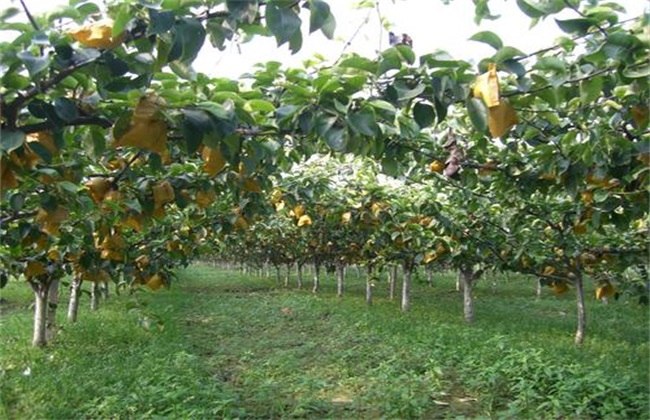
1. Bagging time
When bagging pear fruit, we first need to determine the right bagging time for the pear trees. Generally, bagging should begin about one month after the flowers fade, once fruit thinning has been completed. During fruit thinning, small fruits, pest- and disease-damaged fruits, and mummified fruits should be removed promptly and not bagged, because the value of these fruits is very low. Bagging should not be done too early; if bagged too early, the fruit stalk has not yet matured and has poor wind resistance, so fruit drop is likely. But it should not be too late either; if too late, the fruit will have more russeting, deeper color, and a rougher skin surface.
2. Preparation before bagging
Before bagging, we first need to choose the right bags. Different bags should be selected according to different varieties. For example, for varieties that do not need coloring, bagging should mainly use yellow-white single-layer wax paper bags. If it is a red pear, then double-layer fruit bags should be used. When using double-layer bags, the inner layer must not be made of non-breathable plastic film material, otherwise the temperature inside the bag rises quickly and can easily scorch the young fruit. Then, after flower and fruit thinning, do a good job of sterilization and pest control, especially on the fruit. Once the liquid has dried completely, bag the fruit promptly. Do not use emulsifiable concentrate-type fungicides, otherwise rust spots are likely to appear.
3. Bagging method
After all the preparatory work is done, you can begin bagging. Before bagging, first soak all the bags, with the bag opening facing down, about five centimeters deep in water for about 30 minutes. Softening the paper bags is very helpful for the subsequent bagging work. Then, when bagging, follow the order of top first and bottom later, and inner first and outer later. After bagging, tighten the bag opening and tie it firmly to the fruit stalk, keeping the bag in a natural state with the opening facing upward, to prevent pests and rain from entering.
4. Management after bagging
The management work after bagging pear fruit is also very important. After bagging, if wind damage causes bags to fall off, promptly gather them up and remove them from the orchard. At the same time, carefully check the opening of every fruit bag each day; if you find that an opening has come loose, re-tie it promptly. If the variety grown is a non-coloring one, then the fruit can be harvested with the bags on. For coloring varieties, however, the bags should be removed about two weeks before harvest to promote coloring. If drought occurs, then water promptly to increase humidity and promote fruit coloring.
The above is a brief introduction to pear tree bagging techniques. That's all for today's introduction. This article is for reference only, and I hope it can help everyone!