How to manage pear trees to bear more fruit? Key technical points
The pear is a sweet, juicy fruit grown in all parts of our country. The pear tree is now planted over a very large area, and when fruit growers plant pear trees, the more yield the better. If we want to increase the yield of pear trees, then we need to do a good job of management according to the growth stages of the pear tree. So how should pear trees be managed to bear more fruit? Let's take a look together below!
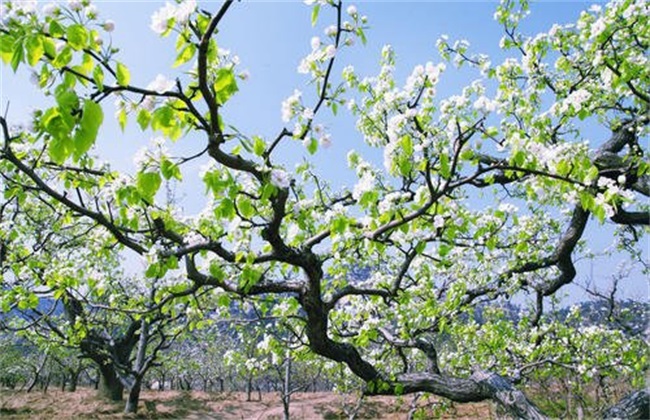
1. Flowering period management
If you want the pear tree to bear more fruit, then the management work during the flowering period is very important. The flowering period of the pear tree is generally around April to May each year. After the pear tree enters the flowering period, promptly remove the buds growing on the side branches, branches and near the strong branches. Then after the flower buds grow out, do a good job of bud thinning, removing weak and small buds. Keep about one inflorescence per 20cm or so, and about half a month after the flowers fade, keep only about two fruits per inflorescence, thinning out the excess. When thinning fruit, first focus on diseased, pest-damaged and deformed fruits.
2. Young fruit period management
After passing through the flowering period of the pear tree, entering mid-May, it is roughly the young fruit period of the pear tree. During the young fruit period, in order to ensure robust fruit growth, improve fruit quality, and reduce the phenomenon of flower and fruit drop. We should do a good job of fruit bagging within three weeks to one and a half months after flowering. Before bagging the fruit, we should pay attention to spraying a insecticide and fungicide once, and wait until the liquid dries before bagging. Bagging should be done on sunny days, combined with fertilization work, with compound fertilizer as the main fertilizer, and the amount kept at about 45kg.
3. Fruit ripening period management
In September to October each year, after about 4-5 months of growth, the fruit gradually ripens. During the fruit ripening period, our management work is mainly focused on pest and disease control. Pests and diseases at this time cause very great harm to the fruit, and if not controlled in time, the impact on yield is very great. Among them, common pests and diseases include fruit borers and leaf rollers. If pests and diseases occur, promptly remove the diseased fruits, then take them out of the orchard together with the fallen fruit and burn them. Chemicals such as chlorbenzuron and Bacillus thuringiensis can be used for control, but Bordeaux mixture and similar chemicals must not be sprayed, to prevent contaminating the fruit.
4. Dormant period management
After harvesting the fruit, the temperature gradually drops, and the pear tree will gradually enter the dormant period at this time. The dormant period of the pear tree is generally around January to March each year. During this period, its management work is mainly orchard cleaning. First, some residual branches, fallen leaves and diseased fruits should be gathered together and taken out of the orchard to be burned. This avoids pathogens and pests lurking in the orchard to overwinter, harming the growth of the pear tree and affecting the flower bud differentiation and fruiting of the pear tree the next year. Then an appropriate amount of fertilizer should also be applied to ensure the pear tree overwinters safely and increase the next year's yield.
The above is a brief introduction to how to manage pear trees to bear more fruit. That's all for today's introduction. This article is for reference only, and I hope it can help everyone!