What are the reasons why citrus trees bloom but do not bear fruit
Citrus is a very popular fruit and is grown in most parts of our country. When growing citrus, its management work is very important. Because the quality of management directly affects the yield of citrus, and is thus closely tied to the planting benefits of fruit growers. If management is poor, citrus may show phenomena such as blooming but not bearing fruit. So what is going on when citrus trees bloom but do not bear fruit? Let's take a look together with the editor below!
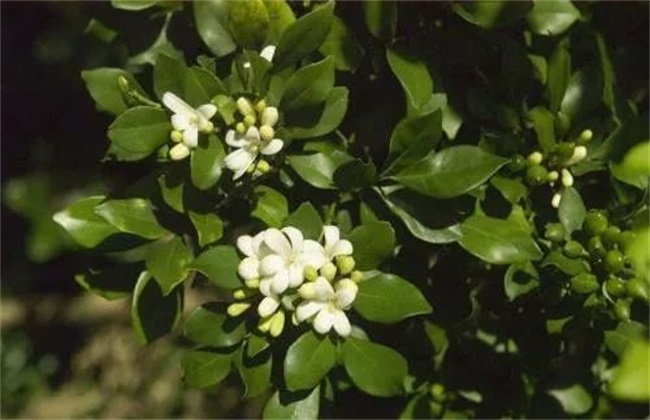
1. Adverse weather
During the flowering period of citrus, the weather has a very great impact on its growth. If low-temperature weather or drought weather is encountered during the flowering period, then citrus is very likely to show the phenomenon of flowering without setting fruit. Because if low temperatures are encountered during the flowering period, the citrus trees are prone to frost damage, which damages the stigma of the style and causes flower and fruit drop. Moreover, if there is too much rainfall, it is very unfavorable for the pollination and fertilization of the flowers. Due to poor pollination, the flowers lead to the problems of blooming but not bearing fruit and a low fruit-setting rate.
2. Nutrient imbalance
Nutrient imbalance within the citrus tree is also one of the main reasons causing citrus to bloom but not bear fruit. Nutrient imbalance in citrus trees is generally reflected in two aspects. The first is malnutrition. When the citrus tree enters the flowering and fruiting period, nutrient consumption increases greatly. At this time, if the nutrients in the tree cannot meet the needs of citrus flowering and fruiting, then the fruit-setting rate will be affected, and flower and fruit drop will occur. In addition, excessive nutrients can also cause the tree to bloom but not bear fruit. Excessive nutrients will lead to excessive vegetative growth of branches, which is also very unfavorable to its growth.
3. Boron deficiency
For citrus trees, the element boron, although not a main growth element for citrus, is very important for the transport of carbohydrates within the citrus tree. If the citrus tree is deficient in boron, then it will cause carbohydrate disorder within the citrus tree. It affects the transport of sugar substances, causes the roots to lack carbohydrates, and causes the root cells to become lignified. This thereby affects the absorption of this substance by the citrus tree. At the same time, if the citrus tree is deficient in boron, its root system is not very developed, the growing points are prone to death, and the development of the flowers is also affected. This causes the floral organs and flowers to wither, resulting in the phenomenon of flowering without setting fruit.
4. Other reasons
The flowers of citrus trees belong to a type of inflorescence that is monoecious. They are generally mainly solitary or clustered, and are complete flowers. Under normal circumstances, they can self-pollinate and set fruit. However, in order to increase the fruit-setting rate, pollination still needs to be spread through wind, bees, and so on. So if the conditions are insufficient, then situations such as flowering periods not overlapping, poor pollination, or even being unable to pollinate will occur. Finally, there is the reason of pests and diseases. If pests and diseases occur during the flowering and fruiting period of citrus trees, they can very easily cause citrus flower and fruit drop, and in severe cases, the problem of being completely unable to set fruit.
The above is a brief introduction to what is going on when citrus trees bloom but do not bear fruit. That is all for today's introduction. This article is for reference only, and I hope it can help everyone!