What are the common mistakes in fertilizing fruit trees in spring?
Spring is the period when fruit trees begin to sprout, and by now everyone surely knows how important fertilizing is at this time. Spring fertilization should be balanced, reasonable and scientific, and attention should also be paid to the application of trace elements and increased input of biological bacterial agents. In addition, there are several points to note. Let's take a look together below.
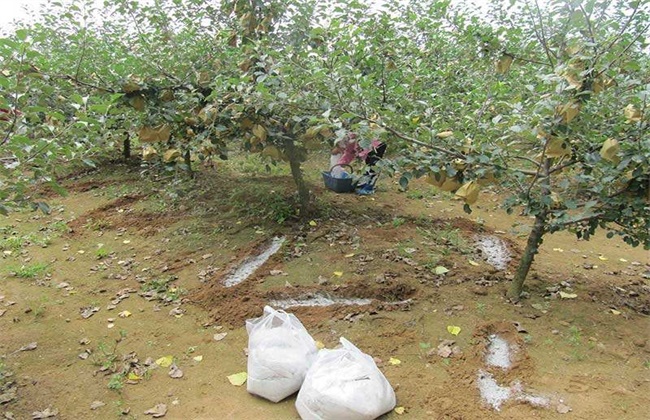
1. Over-reliance on chemical fertilizers
Many fruit growers tend to apply large amounts of chemical fertilizers while neglecting the application of medium and trace elements and organic fertilizers, resulting in excessive nitrogen. This not only wastes fertilizer but also causes phosphorus deposition. The direct manifestations are severe soil compaction in the orchard, imbalanced growth and development of fruit trees, and uncontrolled pest and disease management. It also leads to low yield, poor quality and inferior flavor. All of these are caused by over-reliance on chemical fertilizers, so spring fertilization must be scientific and reasonable.
2. Applying base fertilizer in spring
Many fruit growers are in the habit of applying base fertilizer in spring, but do not have this habit in autumn. Spring temperatures are relatively high and soil moisture conditions are poor, so the base fertilizer applied has not undergone long-term fermentation and decomposition, making it difficult for the trees to absorb after application and causing fertilizer waste to a certain extent. Applying base fertilizer in autumn, however, comes with better soil moisture conditions, and it also facilitates fertilizer decomposition and root absorption, can promptly replenish nutrients for the trees, and is also beneficial for flowering and fruiting the following year.
3. Fertilizing too early
Topdressing for fruit trees should be applied during the fruit enlargement period. If fertilizer is applied too early, it easily causes nutrient loss. Potassium fertilizer applied during the fruit enlargement period makes the fruit surface glossy, the color bright, and the flesh crisp with rich flavor, but if applied during the flowering period, it will not have this effect. Therefore, topdressing should be done at the right time, neither too early nor too late.
4. Over-reliance on foliar fertilizer
Most foliar fertilizers currently sold on the market are plant growth regulators, and their effect is extremely rapid after spraying. As a result, many farmers apply base fertilizer but no topdressing, and some fruit growers apply neither base fertilizer nor topdressing, relying excessively on foliar fertilizer. This practice is extremely inappropriate. More than 95% of the nutrients required for plant growth and development come from the soil, while the leaf absorption rate is less than 5%. Foliar fertilizer is only suitable for fruit trees when they are deficient in fertilizer, as it can excellently supplement what the plant needs at that moment, but it cannot meet the needs of the entire growth period.
The above is an introduction to common mistakes in fertilizing fruit trees in spring. We hope it can help you. To learn more related knowledge, please stay tuned to us.