What are the common problems when topdressing kiwifruit?
Kiwifruit has a very large planting area in our country and is a fruit loved by many people. When we grow kiwifruit, topdressing work is very important. Reasonable topdressing is the main measure to meet the nutritional needs of kiwifruit growth. However, many people have some problems when topdressing. Today, the editor brings you the problems in topdressing kiwifruit. Let's take a look below!
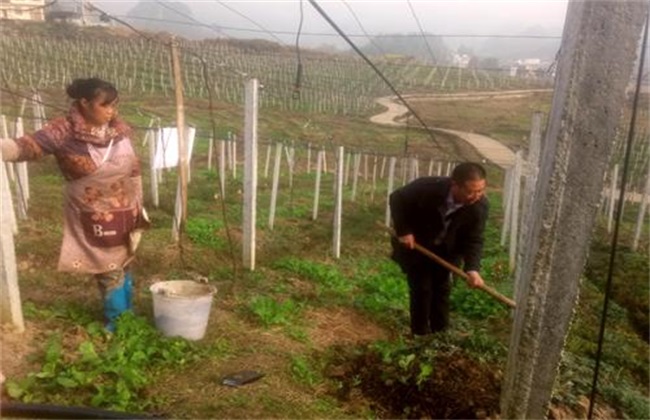
1. Topdressing time is difficult to grasp
When many fruit growers plant kiwifruit, because they do not fully understand the physiological characteristics of kiwifruit, they cannot determine the demand for fertilizers such as nitrogen, phosphorus and potassium according to the different growth stages of kiwifruit. For example, when applying sprouting fertilizer, fruit-swelling fertilizer or even base fertilizer, they cannot determine the time. Some people apply a large amount of quick-acting fertilizer in late autumn and early winter. At these times, the root system of the kiwifruit tree has gradually stopped growing, so the fertilizer is wasted and the soil is also polluted as a result.
2. Inappropriate topdressing amount
When fertilizing, we should reasonably determine the fertilization amount according to the tree vigor of the kiwifruit tree. Many people ignore this point. For example, during the sprouting stage, they topdress a large amount of ammonium bicarbonate, with the amount reaching more than 5 jin per tree. Some people also apply excessive diamine and superphosphate and other fertilizers after the fruit is harvested. If there is too much phosphate fertilizer, it will fix the zinc element in the soil, causing the fruit tree to grow slowly the next year and develop various physiological diseases.
3. Uneven nutrient ratio
An uneven nutrient ratio in fertilizer is also a major problem. When fertilizing, many people apply whatever fertilizer they have. For example, they use some urea, ammonium bicarbonate and others as the main fertilizers, without matching them, and use large amounts of macroelements year after year, ignoring the absorption of medium and trace elements, resulting in a decline in fertilizer use efficiency. As tree age and yield increase, medium and trace elements are becoming more and more important to the growth of kiwifruit trees. Many people still only know to topdress macroelements such as nitrogen, phosphorus and potassium, resulting in weakened cold resistance and drought resistance of the fruit trees, affecting yield and quality.
4. Not understanding the functions of fertilizer varieties
There are currently very many fertilizer varieties on the market, especially chemical fertilizer varieties. There are dozens of single-element chemical fertilizers, organic fertilizers and others, as well as various organic-inorganic fertilizers mixed with each other, microbial fertilizers, and medium and trace elements. However, when some people buy fertilizers, they only focus on price and do not look at the nutrient ratio in the fertilizer. They do not understand the nutritional needs of the fruit trees and only seek cheapness, resulting in poor growth of kiwifruit.
5. Not paying attention to foliar fertilizer
The root system of kiwifruit will be affected by soil and fertilizer during growth. Its absorption pressure is also relatively high, so we should also pay attention to doing a good job in applying foliar fertilizer. Foliar fertilizer supplements nutrients to kiwifruit relatively quickly, and its utilization rate is also relatively high. Especially during the fruit-swelling period, it can effectively share the nutrient absorption pressure of the roots. However, many people do not know the types, application time and concentration of foliar fertilizer, so they simply do not apply foliar fertilizer. This is absolutely not allowed.
The above is a brief introduction to the problems in topdressing kiwifruit. That is all for today's introduction. This article is for reference only, and I hope it can help everyone!