Detailed Explanation of Longan Seedling Management Techniques
The seedling stage of longan lasts a very long time, generally continuing for several years, and management during this period becomes a very important issue, as it will greatly affect the subsequent growth and yield. So if we want to grow longan well, how should we manage it during this stage?
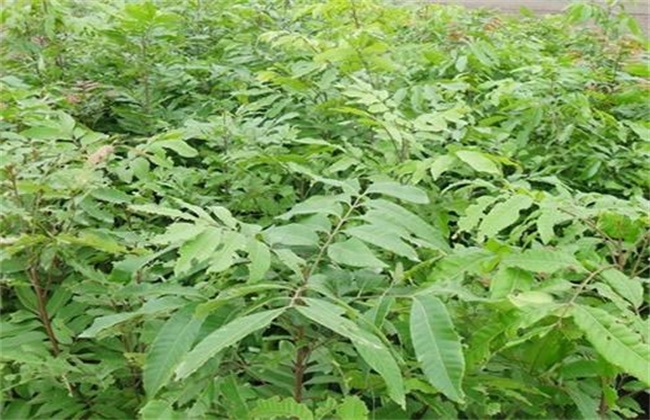
1. Irrigation Issues
As a subtropical-to-tropical fruit, the longan tree itself has a relatively high demand for water, and during the seedling stage even more attention must be paid to drainage and irrigation. The longan's root system is mostly concentrated in the lower layer of the soil, so each watering needs to be fairly heavy, because the water must be allowed to seep down; if there is too little, the water will be gone before it reaches the roots, which is not good for absorption. In spring and autumn, 1-2 times a month is generally enough to ensure its water needs, because there will be natural rainfall; during high temperatures and drought, this should be increased to once or twice a week, and a hot and humid environment will make the seedlings grow faster.
2. How to Apply Supplemental Fertilizer
Since the seedling stage lasts several years, the supplemental fertilization each year should also change accordingly. In the first few months, apply light fertilizer in small amounts, generally starting supplemental fertilization at the time of the second new flush. Farmyard manure is best for the early fertilizer, but it must be treated and fermented, as this makes it less likely to rot and damage the roots. Before applying farmyard manure, it is best to mix in some water to lower the concentration. At least half a year later, chemical fertilizers can begin to be used for supplemental fertilization; by then its root foundation is relatively solid, so chemical fertilizers can be used to speed up its growth. Chemical fertilizers should then be added according to the needs of each stage, and after about 3-4 years, supplemental fertilization can begin as for a mature tree.
3. Turning the Soil and Weeding
The root system of longan seedlings is relatively weak, and its demand for air cannot easily be satisfied, which will affect growth to a certain extent. This can only be solved by improving the permeability of the soil, so the soil should be deeply turned regularly. When turning the soil, be careful not to damage its root system. At this time, some fertilizer can also be appropriately mixed in, carrying out soil turning and supplemental fertilization together; a few times a year is enough, depending on how compact the soil is. Weeding is not because of fear that weeds will compete with the longan seedlings for nutrients; at most they can hinder its growth at the beginning. Later, weeding is mainly to prevent the soil from becoming compacted because of them, which would block air flow and hinder root development.
4. Disaster Prevention
Finally, there is disaster prevention. Longan is a fruit tree with relatively common pest and disease problems, because its growing environment easily triggers these things. Disease prevention should generally begin when temperatures slowly rise; the first rise in temperature is when diseases are most likely to appear, while sustained high-temperature weather is the peak period for disease outbreaks, so prevention should focus on these two times. Pest outbreaks are mostly concentrated in the fruiting period; after the longan tree bears fruit, insects can hide very easily, so everyone should take pest control measures in advance. As for natural disasters, attention should be paid to cold protection and heavy rain weather, and it is best to be prepared.
The above are some management techniques for longan seedlings. The seedling stage lasts 3-4 years, but the full fruiting period changes markedly depending on each stage. With good management it may last more than ten years, while with neglect it may fall into a low period after just a few years, and the impact on returns becomes more obvious the later it goes.