What causes uneven watermelon seedling emergence? How to prevent it
It is now the period for raising watermelon seedlings, but many farmers report that their seedlings emerge unevenly. When they use plug trays for seedling raising, the plug trays at the outermost edge of the seedling bed have unevenly emerging watermelon seedlings. So what causes uneven watermelon seedling emergence? Come and learn about it with the editor.
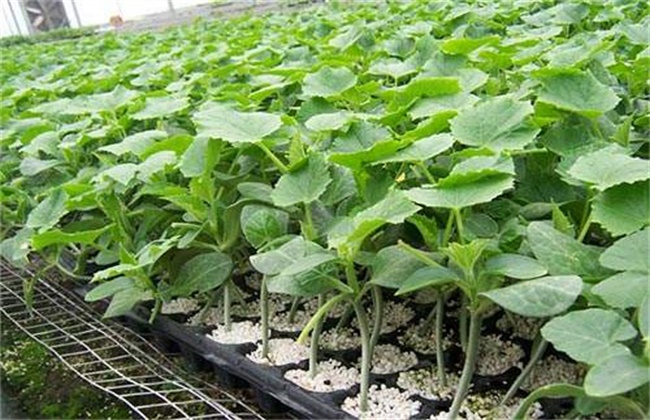
I. Causes of uneven emergence
1. Unsuitable temperature
Watermelon is a heat-tolerant crop. Throughout its growth and development, it has relatively high temperature requirements. The minimum temperature it needs for growth is 10 degrees, the maximum is 40 degrees, and the suitable temperature is between 25-30 degrees. If the soil temperature is too low, it will affect the development of the watermelon root system, and the nutrients cannot meet the normal growth and development needs of the seedlings. At this time, uneven emergence will occur.
2. Soil compaction
Compaction of the seedling bed and poor air permeability will cause the oxygen content in the soil to be sown, which will cause slow growth of the seed embryo and delay germination. At the same time, soil compaction in the seedling bed will also increase the difficulty of the seeds pushing through the soil during germination, thus causing slow emergence and resulting in uneven emergence.
3. Excessive fertilization
If the amount of fertilizer applied is too large or too concentrated, the root system cannot penetrate downward or the roots are burned, and fertilizer and water cannot be absorbed, which affects growth. Or if the base fertilizer is applied too deep and the upper-layer fertilizer is sown, uneven emergence will also occur. In addition, watermelon likes moisture and is drought-tolerant, but it is not waterlogging-tolerant. When soil moisture is too high, root rot will occur, nutrients cannot be absorbed, and its growth will be slow. When the soil is dry, the plant's fertilizer and water supply cannot be met, which will cause uneven emergence.
4. Root-knot nematodes
Watermelon root-knot nematodes only damage the roots, especially the young and tender parts of the root system. The roots damaged by root-knot nematodes will grow nodular root galls of varying sizes and shapes, which hinder the root system's absorption of nutrients and water. When nutrients and water cannot be supplied, uneven seedlings are likely to occur. Moreover, when root-knot nematodes cause damage, they also form wounds, through which a large number of pathogens invade and cause damage together with the root-knot nematodes.
II. Preventive measures
First, choose seedlings with strong disease resistance, sow in disease-free soil, and disinfect the seedling bed before planting. Then strengthen field management, apply more decomposed organic fertilizer, increase soil organic matter content, promote new root growth, and enhance the disease resistance of the plants. At the same time, prevent compaction of the seedling bed, water thoroughly at the bottom, do not water or water less during the emergence period, and prevent rain exposure during the rainy season. Before planting, the soil should be plowed. In fields with severe soil-borne diseases, paddy-upland rotation can be carried out. To prevent watermelon root-knot nematodes, farmers can, before transplanting watermelon, apply Yinghui nematicide Ligensha granules by furrow application, hole application, or broadcasting over the whole field.
The above is an introduction to the causes of and preventive measures for uneven watermelon seedling emergence. We hope it can help you. To learn more related knowledge, please follow us.