What causes poor coloring in strawberries? How to solve it
Strawberries are usually red in color, but during cultivation, poor fruit coloring is very likely to occur. Although it does not affect the taste of the strawberries, the poor appearance reduces the desire to buy them and severely lowers economic returns. So what causes poor coloring in strawberries? Follow the editor to learn more about it.
I. Causes of poor coloring
1. After the fruit has fully expanded, how well it colors is closely related to nutrient supply. When nitrogen is excessive and potassium fertilizer and boron fertilizer are lacking, the fruit will color poorly. In addition, mineral elements such as calcium, molybdenum and boron have a certain promoting effect on fruit coloring, and a lack of them will also hinder fruit coloring.
2. During the peak fruit expansion period, a lack of water will also cause poor coloring of the fruit skin.
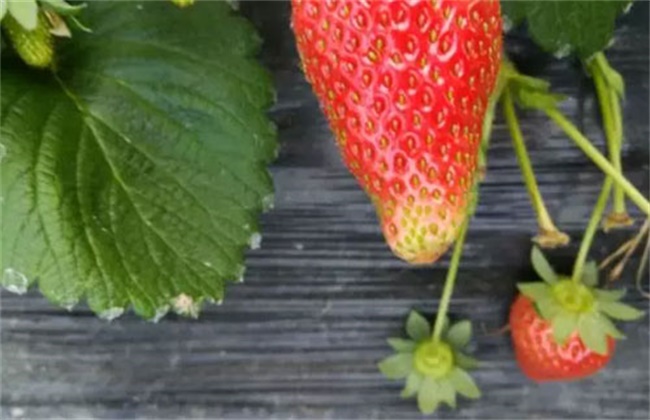
3. Strawberries are stoloniferous, so after fruiting, the fruit often comes into contact with the plastic mulch and straw bedding. Over time, because the contact surface cannot receive sunlight, poor coloring also occurs.
4. Fruit coloring is greatly affected by temperature, light and soil conditions. The suitable temperature for the formation of anthocyanin pigments is 20-25 degrees, and too high or too low a temperature is not conducive to its synthesis. During continuous low temperatures or insufficient light, especially when the greenhouse temperature is below 5 degrees, green-headed fruit is very likely to occur; when light is insufficient, the sugar content in the berries is low, or phosphorus and potassium fertilizers are insufficient, physiological white fruit can be caused, with all or part of the fruit surface appearing white or pale yellowish-white. There is also a ring of red around the white fruit, and the fruit has a bland flavor, soft texture, and pink or white flesh.
5. Fruit color is also related to endogenous hormones, and excessive use of hormones can also easily form green-topped fruit.
II. Solutions
First, regulate the temperature as much as possible and improve the lighting conditions inside the greenhouse. When planting, apply enough organic fertilizer as base fertilizer, plant at a reasonable density, and ensure shading between Jiamusi plants. Keep the greenhouse film clean and prevent water droplets and dust from adhering to the film surface. Silver-gray film, aluminum foil or reflective screens can be laid on the ground to increase the light intensity between plants. During fruit coloring, spraying fulvic acid fertilizers and potassium, calcium, molybdenum and boron fertilizers can promote fruit coloring and also effectively prevent premature leaf senescence. During the fruit expansion period, leaves that affect coloring should be removed in time, which can increase coloring and prevent fruiting branches from affecting coloring due to overlapping and squeezing. About three days after the strawberry color-turning stage, the strawberries can be turned over so that the side previously close to the ground can also receive sunlight.
The above is an introduction to the causes of poor coloring in strawberries and solutions. We hope it can help you. To learn more related knowledge, please follow us.