Detailed Explanation of the Harm Caused by Strawberry Nutrient Deficiency and Its Prevention Measures
During the growing period, strawberries need a variety of nutrient elements, and a deficiency of certain elements will lead to corresponding diseases. We call this kind of physiological disease caused by the lack of a certain nutrient element a deficiency disorder. Now let's learn about the symptoms and prevention measures of strawberry nutrient deficiency together with the editor.
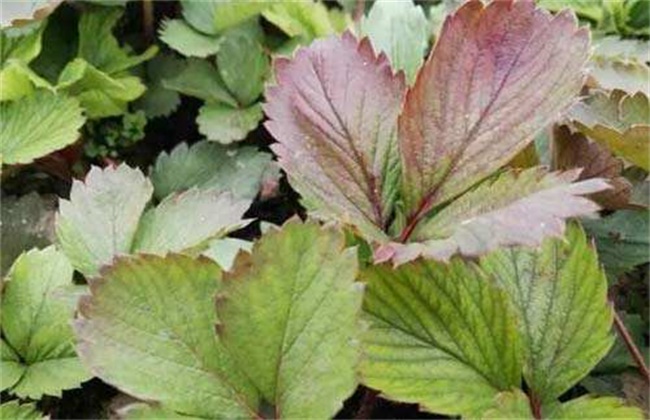
1. Calcium deficiency
Calcium deficiency in strawberries is mostly seen during the flowering and bud stage. The tips and margins of new leaves turn brown and appear scorched or dried up, the veins become chlorotic and brittle, and the leaflets cannot grow normally after unfolding. The root system is short and poorly developed, and hard fruit is very likely to occur.
Prevention measures: Water at the right time to keep the soil moist. When calcium deficiency is found, spray the leaves with 0.2-0.3% calcium chloride or 0.3-0.5% calcium nitrate solution. In cases of severe calcium deficiency, apply 2 kg of 47% biochemical fulvic acid calcium per mu, flushing it along the furrows when watering.
2. Magnesium deficiency
When strawberries lack magnesium, the edges of the upper leaves first turn yellow or brown and scorched, and then the areas between the veins become chlorotic and dark red spots appear, some of which turn into necrotic spots. When the scorching is severe, the leaves on the stems appear pale green. The scorching develops as leaf age increases and magnesium deficiency worsens. Magnesium deficiency is especially likely to occur when strawberries are grown on sandy low-fertility soil or when nitrogen fertilizer and potassium fertilizer are applied excessively.
Prevention measures: Fertilize in a balanced way and prevent excessive use of nitrogen fertilizer and potassium fertilizer. When magnesium deficiency is found, promptly spray the leaves with a low-concentration magnesium sulfate solution, generally once every 10 days or so, for 2-3 consecutive times.
3. Iron deficiency
When strawberries lack iron, the young leaves turn yellow and lose green. At first the veins remain green, while the areas between the veins turn yellow-white. In severe cases, the new leaves that grow out turn white, and the leaf margins become necrotic or the leaflets turn yellow.
Prevention measures: Apply more organic fertilizer. Drain promptly and keep the soil moist. When iron deficiency is found, promptly spray the leaves with a low-concentration ferrous sulfate solution.
4. Boron deficiency
When strawberries lack boron, the leaves become shortened and ring-shaped, deformed, with wrinkled veins, and the leaf margins turn brown. The vein tips of old leaves lose green, and the leaves curl upward. Runners develop more slowly, there are few roots, the pollination and fruit-setting rate is low, the fruit is deformed or lump-shaped, the seeds in the fruit are small, and the fruit quality is poor.
Prevention measures: Water at the right time to keep the soil moist. When boron deficiency is found, promptly spray a borax solution foliar fertilizer.
5. Copper and zinc deficiency
When strawberries lack copper, the areas between the veins of new leaves lose green and pale white spots appear. When zinc is deficient, the old leaves become narrower. In particular, the more severe the zinc deficiency in the basal leaves, the more the narrow-leaf portion elongates. When zinc deficiency is severe, the new leaves turn yellow, the veins are slightly red, and the leaf margins have obvious serrated edges.
Prevention measures: When copper deficiency is found, spray the leaves with 0.1-0.2% copper sulfate solution, generally once every 5-7 days, for 2-3 consecutive sprays. When zinc deficiency is found, promptly spray the leaves with 0.05-0.1% zinc sulfate solution.
The above is an introduction to the harm caused by strawberry nutrient deficiency and its prevention measures. We hope it can help you. If you want to learn more related knowledge, please stay tuned to us.