What are the spring fruit tree management measures? Key points explained in one article
If an orchard is to grow well, then daily management must be done well, and the early spring season is a season that requires careful management. What aspects of management does the orchard need to do at this stage? Let's find out below!
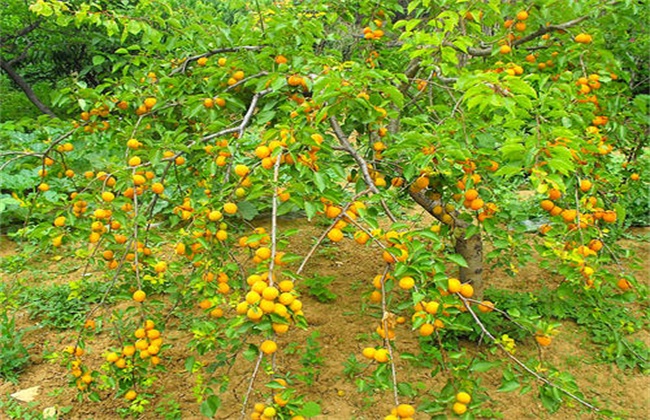
1. Balance tree vigor
For a tree to grow well, many aspects require human control, and tree vigor is a very important one. This actually refers to the overall growth condition of the tree. From the distribution of branches and trunk to the density of branches and leaves, and so on, fruit growers need to balance all of these. In particular, some large flowerless branches are the first targets that need to be dealt with, followed by the places where leaves are dense after fruiting. These are all things to be cleared away, so that the tree vigor of the whole fruit tree is balanced and the fruit it bears is good.
2. Suppress the top and promote budding
The growth needs of fruit trees differ from those of other trees. Ordinary trees are expected to grow tall, while fruit trees pursue spreading branches and luxuriant foliage, so that they bear more fruit and are convenient to pick. Suppressing the top and promoting budding is precisely to achieve this goal. To prevent the fruit tree from concentrating all its nutrients at the top, it is necessary to suppress the growth of the top part, then help other positions to sprout, letting nutrients flow to other branches and trunks. Only in this way is the growth of the fruit tree ideal.
3. Add fertilizer
Fertilizer is an important guarantee for the growth of fruit trees. In the early spring season, fruit trees begin to revive, and after a winter of rest, their demand for nutrients is extremely great at this time. In fact, topdressing at this time is one of the most effective periods. When applying fertilizer, give priority to decomposed farmyard manure, and chemical fertilizer second; various trace elements should be properly mixed in, so that the fertilizer effect is good. At this time the soil contains more water, so fertilizer can be placed on the surface layer of the soil, which neither harms the roots nor hinders absorption.
4. Do a good job of temperature monitoring
The temperature at this time is not very stable, and the fruit trees have just begun to revive, so temperature can easily affect the sprouting of new branches and buds. Therefore, special attention is needed, especially during a late spring cold snap. Pay attention to the daily temperature changes and understand the subsequent weather changes. If the later low-temperature period coincides with the budding period, you can prevent it in advance and reduce losses. When the temperature is lower than the temperature the fruit trees can adapt to, it is best to take preventive measures first to prevent unnecessary losses.
The above are some of the management measures for fruit trees in early spring. At this stage, fruit trees do not have very strong resistance, and threats from pathogens, weather and other factors are relatively great, so everyone must pay more attention.