What Causes Melon Wilt and Seedling Death? Detailed Explanation of Prevention and Control Measures
During melon cultivation, grafted seedlings in early-spring greenhouses are highly prone to acute wilting and seedling death. In mild cases, seedlings die over a small area; in some fields, there is even total crop loss, seriously affecting the economic returns of melon growing. So what causes melon wilt and seedling death? How should it be prevented and controlled? Let's take a look together.
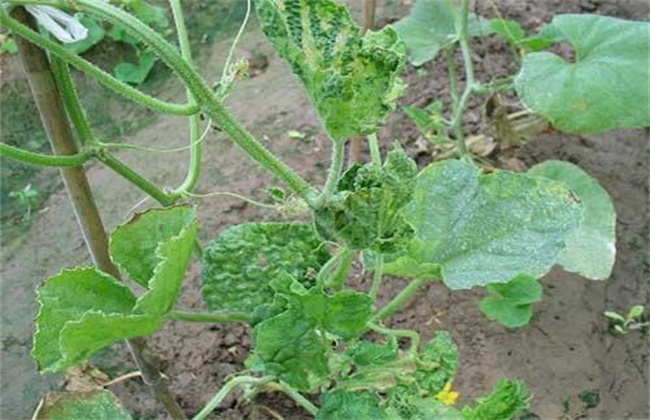
I. Causes of Occurrence
1. Variety
Melon varieties differ in disease resistance. Some varieties have strong disease resistance and also strong resilience to adverse external conditions, with a very low seedling death rate, while some varieties have lower disease resistance and poor adaptability to the local environment, so their seedling death rate is relatively high.
2. Climatic Influence
During the growing period, grafted melons encounter long periods of continuous overcast and rainy weather, with low temperatures and scant sunlight; the sunshine duration is less than in normal years, the light intensity is also lower than in normal years, and the temperature is 2 degrees lower than in normal years. During the fruiting period, the temperature rises sharply, and the greenhouse film cannot be opened for ventilation and cooling. At noon, the temperature inside the greenhouse can reach about 50°C. Plants at both ends of the greenhouse appear normal, while plants in the middle of the greenhouse show varying degrees of wilting.
3. Improper Cultivation Management
Improper sowing time, with too early planting, results in poor downward root growth, large but not thick leaves, low dry matter storage, and in addition, excessively high soil water content, which inhibits root respiration and is extremely unfavorable to root growth, especially causing great damage to fine roots, leading to wilting and seedling death.
4. Pests and Diseases
Because of the long planting years, root-knot nematodes occur commonly. The resistance of seedlings is poor, and after root-knot nematodes damage the root system, acute wilt disease is induced. In addition, fusarium wilt and root rot cause plants to wilt, and the physiological resistance of the plants declines, which also causes wilt disease to develop faster and more severely, with a higher seedling death rate.
II. Prevention and Control Measures
1. Choose Suitable Varieties
When selecting rootstocks and scions, not only graft compatibility but also symbiotic compatibility must be considered, especially the performance of symbiotic compatibility under adverse weather conditions.
2. Fertilizer and Water Management
When watering, follow the principle of small amounts and multiple applications. Each drip irrigation session should not be too long, and at the same time, supplement magnesium, calcium and other trace fertilizers in appropriate amounts at the appropriate time.
3. Before and after fruit setting, spray paclobutrazol, which can control top growth and promote bottom growth, stimulate root thickening and root hair growth, while inhibiting vegetative growth, promoting reproductive growth, and increasing the fruit-setting rate.
4. Pest and Disease Control
During the vine extension stage, pay attention to controlling root-knot nematode disease, and during the fruiting stage, pay attention to controlling root rot.
The above is an introduction to the causes of melon wilt and seedling death and the prevention and control measures. We hope it can help you. If you want to learn more related knowledge, please stay tuned to us.