How to Grow Muskmelon in Open Fields? A Detailed Explanation of Key Cultivation Techniques
Muskmelon, also known as sweet melon, is a very sweet and fragrant fruit that is widely grown in China. With the widespread adoption of greenhouse technology, it is now cultivated in greenhouses in many regions. So how do you grow muskmelon well in open fields? Follow along with the editor to learn more.
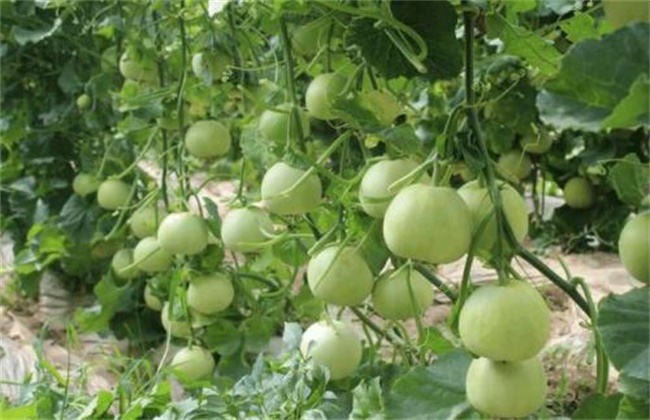
1. Soil and Variety Selection
To cultivate muskmelon, you should first choose a plot with deep soil, loose and fertile texture, and relatively high terrain, with good ventilation, easy drainage, and no pollution on all sides, so as to produce green, pollution-free muskmelon. For open-field muskmelon cultivation, choose varieties with early maturity, good fruit set, attractive fruit shape, strong disease resistance, and good quality, such as Elizabeth, Ruoren, Xialong, Xuefeng Mi No. 2, and others.
2. Seed Treatment
For open-field muskmelon cultivation, the seeds must first be treated before sowing. First, select suitable seeds and place them in the sun to dry for one day, then disinfect them in a diluted Thiophanate-methyl solution for 15 minutes, which provides excellent sterilization and disinfection. After the seeds are sterilized, you also need to soak them and pre-sprout them. First put the seeds into warm water at 50-60 degrees and soak them for about 6-8 hours, noting that the water temperature must not be lower than 30 degrees. After soaking, wrap them in a wet cloth and keep the temperature between 30-32 degrees. Once the radicle emerges, usually after one day, they are ready to sow.
3. Seedling Raising and Transplanting
Sow the seeds on loose, breathable soil, keep the temperature no lower than 15 degrees, and water them appropriately. Seedlings generally emerge in about one month. After 3-5 leaves have grown, transplant them into the field for growing. When transplanting, to avoid late frost, carry it out early; planting can be done in mid-to-late March, and transplanting is done when the seedlings have three true leaves and one heart leaf. 15-30 days before transplanting, you can cover with a plastic tunnel to raise the ground temperature. Before planting, water the seedling bed thoroughly, then transplant with the soil ball. The planting row spacing should be 90 cm and the plant spacing 50 cm.
4. Fertilizer and Water Management
Applying more phosphorus and potassium fertilizer during the growing period can increase the sugar content of muskmelon, while over-applying nitrogen fertilizer will reduce the sugar content. After the muskmelon sets fruit, applying 10 kg of potassium sulfate per mu can effectively increase the sweetness of the muskmelon by 1-2 degrees. Spraying potassium dihydrogen phosphate solution in the early fruiting stage can significantly increase sweetness and yield. Proper irrigation during the rapid fruit enlargement stage can also significantly increase yield and improve variety quality. When the number of muskmelons reaches its peak, if the leaves are seen wilting during the day, furrow irrigation can be used. When irrigating, control the amount of water, and spraying can be done after irrigation.
The above is an introduction to open-field muskmelon cultivation techniques. We hope it helps you. To learn more related knowledge, please stay tuned to us.