What are the key points of spring management for passion fruit? Explained clearly in one article
Spring is the season when all things revive, and it is also the prelude to passion fruit management, basic yet very critical. Good spring management can reduce the pressure of pests and diseases during the passion fruit growing period, increase yield and quality, and play a vital role in overall returns. Now let's take a look at the spring management measures for passion fruit together.
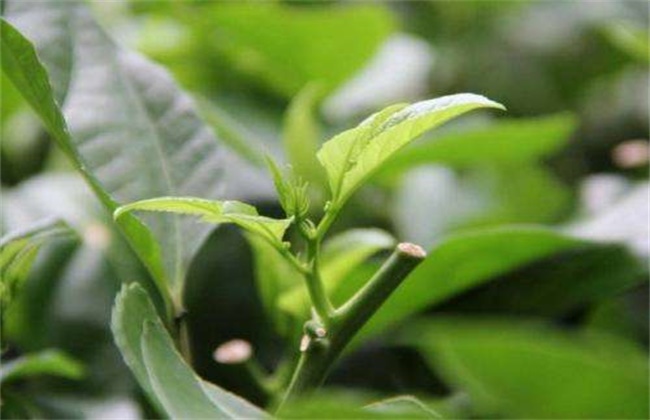
1. Pruning and orchard cleaning
The focus is to remove dry branches, diseased leaves, diseased fruits, fallen leaves and weeds, etc. For those with more retained seedlings and frost damage, handle according to the specific situation. If the main vine is frostbitten, it can be directly destroyed, and replant after the temperature stabilizes. Spring pruning must be done after fruit harvest and before budding. Generally, keep 4-6 primary vines on the main vine, and cut each primary vine at 20-30 cm. After pruning, the residues should be taken out of the orchard and burned in time to reduce the pathogen base. At the same time, spray and disinfect the cut wounds and branches. Choose to spray disinfectant on a sunny day, preferably lime sulfur mixture.
2. Planting new seedlings
When the spring temperature stabilizes above 10 degrees, consider planting. In old orchards, it is recommended not to plant in old holes, to reduce the possibility of stem rot. After planting, water thoroughly to settle the roots, or drench with a biostimulant to activate the root system. Do not rush to fertilize, as this can burn the roots. About half a month after the seedlings are planted, when the root system begins to spread, you can drench once with Sea Elf to promote root growth. After new leaves grow out, then consider topdressing.
3. Fertilizer and water management
Because there is more rain in spring, in order to avoid waterlogging and root suffocation, after planting new seedlings, do a good job of clearing drainage ditches and keep drainage in the orchard good. After new seedlings grow new leaves, apply high-nitrogen fertilizer once every half month. After each fertilization, water promptly. Be careful to apply less potassium fertilizer to avoid stunted seedlings. When fertilizing, pay attention to the distance from the root system to avoid concentrated fertilizer burning the roots. Half a month before flowering, control the application of nitrogen fertilizer, apply phosphorus and potassium fertilizer as topdressing, and at the same time maintain medium and trace elements such as boron, magnesium and zinc to promote flowering and fruit setting.
4. Pruning new seedlings
Pruning new seedlings mainly includes bud removal, training onto the trellis, and topping. If large seedlings are planted, bamboo poles can be inserted and branches tied at planting time so they quickly climb the trellis. After the main vine is trained onto the trellis, begin topping to encourage primary vines to sprout. When the primary vines grow to 8-10 leaves, top them again to encourage secondary vines to become fruiting branches.
The above is an introduction to the key points of spring management for passion fruit. I hope it can help you. To learn more related knowledge, please follow us.