What to Do When Strawberries Suffer Severe Frost Damage? Detailed Remedies and Prevention Methods
Strawberry frost damage generally occurs when temperatures drop sharply during autumn, winter and early spring. Some leaves are partially frozen and dry up, and sometimes the stamens and stigmas become swollen and shriveled after freezing, the stamens turn black and brown and die, and the fruit becomes mummified. So what should you do when strawberries suffer severe frost damage? Let's take a look together.
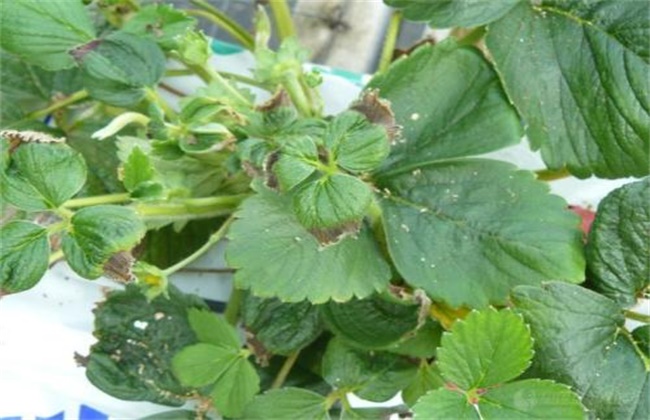
1. Frost damage symptoms
When seedlings suffer frost damage, the two leaves first lose their green color and slowly develop white edges. After transplanting and establishment, the true leaves turn dark green after freezing, then gradually lose water and wilt. When the growing tip of the seedling is frozen, the growing point turns black and gradually dries up and dies. When the root system is frozen, the lateral roots and root hairs turn from oily white to yellow and then brown, and their ability to absorb fertilizer and water weakens. Some leaves dry up after freezing, and after the stamens and stigmas are frozen, the stigmas bulge upward and shrivel, the stamens turn black-brown and die, and the young fruit stops developing, dries up and becomes mummified.
2. Preventive measures
First, you should choose suitable varieties and transplant at the right time. In early spring, do not remove the covering too early. Before cold spells arrive during the early flowering stage, add film cover or use smoke to prevent frost damage. In late autumn, chlormequat can be used to inhibit excessive growth, and before winter, irrigate with freezing water to improve cold resistance; cover for cold protection during overwintering. At the same time, promptly repair damaged greenhouse film. If conditions permit, burn smoke agents to reduce air humidity and prevent frost damage, and apply additional antifreeze agents and foliar fertilizer to improve the plant's cold resistance. Promptly remove frozen flower clusters, fruits and other organs and dispose of them in a centralized way to avoid greater damage caused by rot.
3. Mitigation methods
After frost damage occurs, you can irrigate to retain heat, prevent the ground temperature from dropping, stabilize the atmosphere at the soil surface, and help the temperature rise steadily, so that the frozen tissues can recover their functions. In addition, you can also spray water manually to increase the humidity inside the greenhouse, stabilize the greenhouse temperature, and at the same time inhibit the evaporation of water released from the frozen tissues, prompting the tissues to absorb water. After the frozen tissues recover, apply organic fertilizer as a supplementary treatment, apply less nitrogen fertilizer, and you can also spray foliar fertilizer to form a protective film on the leaves and control transpiration. In order to prevent mold on the frozen parts and trigger secondary diseases, promptly remove frozen flowers, fruits and leaves, while reducing the plant's nutrient consumption. You can also set up a shade structure inside the greenhouse to prevent the frozen strawberries from being directly exposed to sunlight, which would cause the tissues to lose water and shrivel.
The above is an introduction to what to do when strawberries suffer severe frost damage. I hope it can help you. To learn more related knowledge, please stay tuned to us.