Detailed Explanation of Key Points of Spring Fertilization Techniques for Kiwifruit
As temperatures rise, kiwifruit gradually becomes active again after the dormant period, and this is also the time for spring fertilization. Scientific fertilization helps kiwifruit flower buds develop further, coordinates the contradiction between reproductive growth and vegetative growth, and improves yield and quality. So how should kiwifruit be fertilized in spring? Let's take a look together.
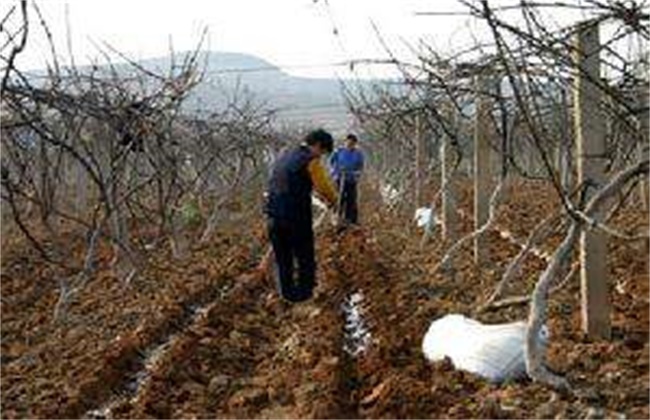
1. Purpose and timing of fertilization
Spring fertilization of kiwifruit is also called bud-break fertilizer. Its purpose is to promote the growth of branches and leaves, supplement nutrients for the kiwifruit flowering period, and increase the fruit-setting rate. For fruit trees that did not receive base fertilizer in autumn, topdressing in spring is even more important. Spring fertilization of kiwifruit is generally best after the soil thaws and sap flow begins, and before the tree body sprouts. Because temperatures vary from place to place, the approximate time is from the end of February to mid-March.
2. Fertilization method
This should be determined according to the size of the tree canopy coverage. Outside two-thirds of the canopy, that is, 60-100 cm from the main trunk of the orchard tree, fertilization should not be too concentrated, so as to avoid fertilizer damage and root burning under dry and water-deficient conditions. Hole application or radial trench application is preferable, with a trench depth of 30-50 cm. After fertilization, the fertilizer should be mixed evenly with the soil.
3. Fertilization amount
This fertilization should mainly use nitrogen fertilizer, with a reasonable combination of microbial bacterial fertilizer. For chemical fertilizer, a compound fertilizer with high nitrogen, medium phosphorus and low potassium is preferable, while for microbial bacterial fertilizer, it is recommended to choose a bacterial fertilizer among multiple bacteria. Generally, for trees in full fruit-bearing stage, apply 1.5 kg of compound fertilizer plus 6 kg of microbial bacterial fertilizer per tree, while for trees bearing fruit for the first time, apply 1 kg of compound fertilizer plus 3 kg of microbial bacterial fertilizer per tree, and for young trees, apply 0.5 kg plus 2 kg of microbial bacterial fertilizer per tree. For orchards that did not receive base fertilizer in late autumn, on this basis, the amount also needs to be increased. Afterward, loosen the soil to increase soil permeability, promote root germination, improve absorption capacity, enhance tree resistance, and reduce the possibility of pests and diseases.
The above is an introduction to spring fertilization techniques for kiwifruit. We hope it can help you. To learn more related knowledge, please stay tuned to us.