Key Points and Methods of Mulberry Fertilization Techniques Explained
Everyone is probably familiar with mulberry trees. When we raised silkworms as children, we often picked mulberry leaves, and China is also the first country in the world to plant mulberry trees and raise silkworms. Mulberry cultivation is extremely significant and has very high economic value. Nowadays, there is also very high demand for mulberries in the market, so how should mulberry trees be fertilized? Let's learn about it together with the editor.
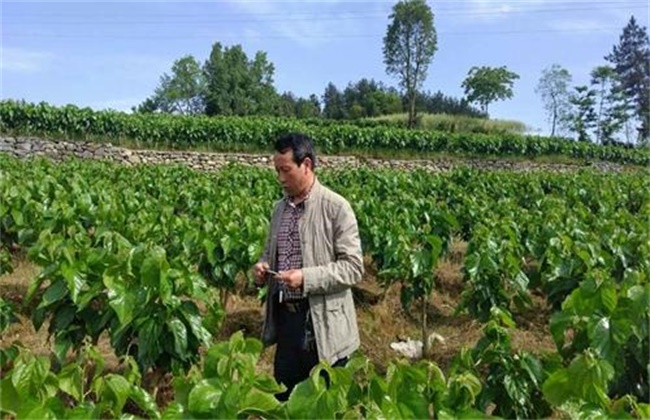
1. Nutrient Requirements
The mulberry tree is a deciduous tree with a long growth cycle and large growth volume. Its root system is well developed, its absorption of fertilizer is relatively large, and its consumption of soil fertility is also relatively high. Although the mulberry tree has both a growth period and a dormant period within a year, it needs fertilization throughout all four seasons, especially during the two growth peaks in spring and summer-autumn, when fertilizer must be applied in sufficient amounts to meet the mulberry tree's growth needs. Generally, for every 1000 kg of mulberry leaves produced, 6 kg of pure nitrogen, 1 kg of phosphorus, and 4 kg of potassium need to be absorbed.
2. Fertilizer Requirement
In different growing seasons of the mulberry tree, its fertilizer requirement is also different. In spring, because the growth cycle is short, the fertilizer requirement accounts for about 20%-30% of the total annual fertilizer requirement; while in summer and autumn, the mulberry tree is in its peak growing season, and coupled with the long growth cycle, the fertilizer requirement is also relatively large, accounting for about 50%-60% of the total annual fertilizer amount; in winter, the mulberry tree is in its dormant period and growth basically stops, so the demand for fertilizer is not large, accounting for only about 10%-30%. In summary, the mulberry tree needs fertilizer in all four seasons, but it likes organic fertilizer and nitrogen fertilizer the most, while it avoids chlorine-containing fertilizers, so special attention should be paid during fertilization.
3. Fertilization Methods
Spring fertilizer is generally applied before spring sprouting, usually 30-40 kg of high-nitrogen compound fertilizer per mu, or applied in two rounds, with each application needing an interval of one month, and 15-20 kg per mu each time. Summer fertilizer is generally applied in late July, usually in 2-3 rounds, with 20-25 kg of high-nitrogen or high-nitrogen high-potassium compound fertilizer per mu each time, and in the south it can be applied appropriately earlier. Autumn fertilizer is generally applied at the end of August, with about 20 kg of high-nitrogen high-potassium compound fertilizer per mu each time. Winter fertilizer is generally applied from mulberry leaf fall until the soil freezes, usually combined with winter plowing at 3000-5000 kg of high-quality farmyard manure per mu. After fertilization, soil should be covered in time to reduce fertilizer loss and improve its utilization rate.
The above is an introduction to mulberry fertilization techniques. We hope it can help you. To learn more related knowledge, please stay tuned to us.