What to Do When Pomelo Isn't Sweet Enough? Practical Tips to Increase Sweetness
Pomelo is a very common fruit in our daily lives, especially in autumn and winter, when market demand for pomelo is even greater. Therefore, many people now grow pomelo. However, most people often encounter many problems when growing pomelo that affect its quality. One of these is that the pomelo is not sweet enough. So how do we increase the sweetness of pomelo? Let's take a look together below!
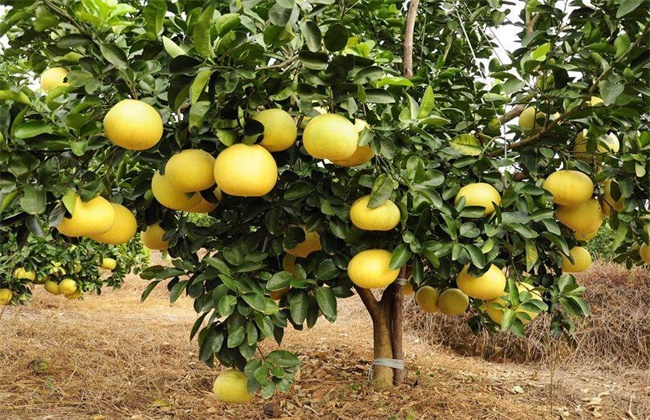
1. Reasonable pruning
Reasonable pruning is a key measure for increasing pomelo sweetness. When pruning, we should control the number of prunings according to the age of the pomelo tree. If it is a young tree, then pruning should be carried out twice, in summer and winter respectively. For fruit-bearing pomelo trees, one spring pruning should be added, usually in February. When pruning, pay attention to focusing on cutting off peripheral branches, and promptly prune branches that are growing too densely. Control the tree canopy of the pomelo tree well and promote the sprouting of inner branches. For inner branches, remove excess branches, dead branches, and branches with pests or diseases. For trees that grow vigorously but do not flower or flower sparsely, mainly use girdling. Improve the tree's ventilation and light penetration, enhance the tree's photosynthetic capacity, and thereby increase the sugar content of pomelo fruit.
2. Expanding holes and improving soil
Improving the soil environment for growing pomelo trees is a key measure to ensure earlier fruiting, high quality, and high yield of pomelo. Generally, the work of expanding holes and improving soil should begin in the second year after planting pomelo trees, and it is best to complete it in the third year. When expanding holes and improving soil, first dig ditches about 65 cm deep symmetrically on both sides at the drip line of the tree canopy. Then fill in sufficient green manure and burnt soil, combined with an appropriate amount of medium and trace elements. Apply them in layers, then compact them to achieve the purpose of improving the soil.
3. Reasonable fertilization
Professional data surveys have shown that the calcium content in the soil is directly related to the acid content of pomelo. Calcium can not only neutralize the organic acids you give in pomelo fruit, but also increase the weight of a single fruit. Potassium fertilizer, on the other hand, can enhance the photosynthesis of pomelo trees and increase the carbohydrate content, thereby achieving the purpose of increasing the sweetness of pomelo fruit. Therefore, we should pay attention to increasing the application of calcium and potassium fertilizers. When fertilizing, trench application is usually the main method, generally about four times a year. Also pay attention to controlling the application of chemical fertilizers, mainly using organic fertilizers, to improve fruit quality.
4. Fruit thinning and bagging
Reasonable fruit thinning is also a main measure for increasing pomelo sweetness. When our pomelo trees enter the fruiting stage, we should pay attention to promptly thinning out deformed fruits with poor development, small fruits, and fruits damaged by pests or diseases. Keeping the leaf-to-fruit ratio on the pomelo tree at about 200:1 is sufficient. Do a good job of fruit thinning, and after setting the fruit, wait until the young fruit grows to about 150 g and the horizontal diameter is about 5 cm, then do a good job of bagging, which can effectively increase the sweetness of pomelo fruit.
The above is a brief introduction to how to increase pomelo sweetness. That is all for today's introduction. This article is for reference only, and I hope it can be helpful to everyone!