What are the reasons a ginkgo tree does not bear fruit
The ginkgo tree is a very common tree species in our country, and its ornamental value is extremely high. It can be seen in many cities, and its fruit is also very popular. The fruit of the ginkgo tree is called white fruit (ginkgo nut), and its nutritional value is very high, so many people plant it mainly for the fruit. However, sometimes the ginkgo tree does not bear fruit, so what is the main reason? Let's take a look together below!
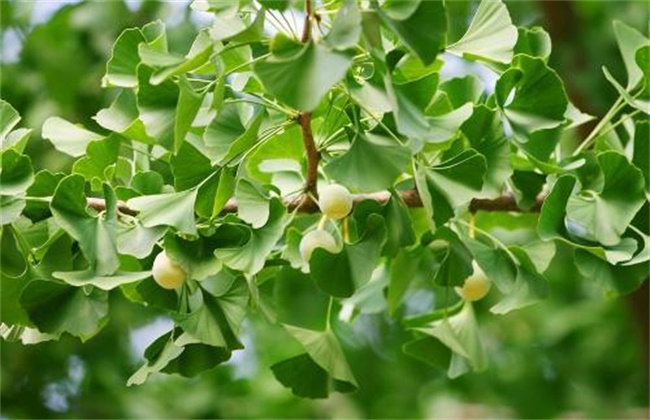
I. Reasons
1. Improper management
The main reason causing the ginkgo tree not to bear fruit is improper management of the underground part after planting. If the soil environment in which the ginkgo tree grows is relatively poor, and the soil is barren with a compacted condition, then the permeability of the soil will be too poor, causing the plant to grow weakly. After planting, it may fail to bear fruit for many years. At the same time, when fertilizing, if nitrogen fertilizer is applied excessively while the application of phosphorus and potassium fertilizers and trace elements is neglected, then the crown of the ginkgo tree will expand too quickly, the leaves will be too thin and not deep in color, thereby affecting photosynthesis and causing the ginkgo tree not to bear fruit.
2. Improper grafting
If the ginkgo tree relies on itself to bear fruit naturally, the fruiting time is very long, and sometimes it will not bear fruit for as long as more than ten years. Therefore, ginkgo trees planted now are generally mainly grafted. However, when grafting, if the scion is taken from branches of a ginkgo tree that has never borne fruit or has just borne fruit, then because the physiological development stage of the scion is too young, the crown will form too quickly after grafting, thus causing it to remain fruitless for a long time after grafting.
II. Solutions
If we want to solve the problem of the ginkgo tree not bearing fruit, then first we need to carry out corresponding prevention and control according to the reasons for the ginkgo tree not bearing fruit, and choose the corresponding solutions. First, for ginkgo trees that grow vigorously, around May each year, carry out girdling at the base of the main branches. The width of the girdling should be kept at about 1/10 of the girdled main branch. Then in May and June, spray paclobutrazol wettable powder once each time. And in May, sufficient high-quality compound fertilizer should also be applied as a top dressing to promote nutrient absorption by the ginkgo tree.
After the above measures are taken, if the ginkgo tree produces a large number of female flowers in the second year, then high-quality male flowers can be selected for pollination work. The pollination interval should be kept at about two days. For ginkgo trees that grow relatively weakly, water and fertilizer management should be done well. When fertilizing, phosphorus and potassium fertilizers should be the main ones, combined with an appropriate amount of nitrogen fertilizer. In drought weather, watering should be done well; similarly, in the rainy season, drainage should be carried out in time to avoid waterlogging damage, and it is best to also do a good job in the prevention and control of pests and diseases such as leaf blight and slug moths.
The above is a brief introduction to why the ginkgo tree does not bear fruit. That is all for today's introduction. This article is for reference only, and I hope it can be helpful to everyone!