What are the physiological characteristics of watermelon? A comprehensive guide
Watermelon is a fruit that everyone loves to eat, and it contains very rich nutrients, so its nutritional value is also very high. Today, the planting area of watermelon in China is also very large, and it is basically grown all over the country. When growing watermelon, we must first clearly understand the physiological characteristics of watermelon so that we can better grow watermelon and improve its yield and quality. So what are the physiological characteristics of watermelon? Below, the editor will give you a brief introduction. Let's take a look!
1. Characteristics of the roots
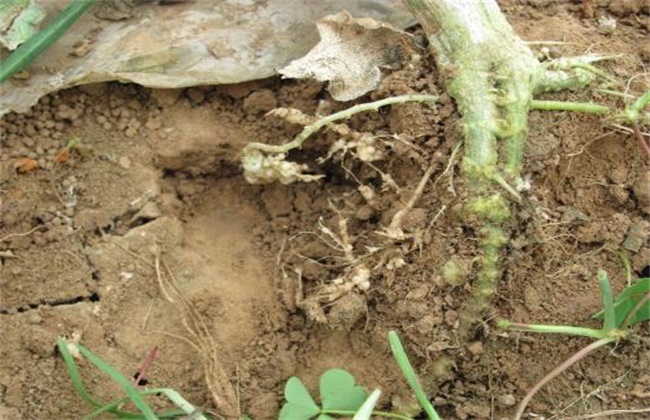
The roots of watermelon are distributed relatively deep and also very extensively. Therefore, the root growth and absorption capacity of watermelon is relatively strong, and it can fully utilize the nutrients and water in the soil, with strong drought tolerance. The main root of watermelon can generally reach about 0.8 m deep, and at about 20 cm near the soil surface, the main root will form about 5 primary roots. Then it will grow horizontally within a diameter of 3 m, and gradually form secondary and tertiary roots, becoming the main root group of the watermelon plant. The root group is mainly concentrated in the tillage layer at about 35 cm. Watermelon roots develop relatively early, but they are relatively delicate and easily damaged. If damaged, they are very prone to suberization, and new roots sprout slowly. In addition, the roots also need a large amount of oxygen.
2. Characteristics of the stems and vines
Watermelon stems and vines include the hypocotyl and the vines on the cotyledon node, and are mainly leathery and vine-like. During the early growth stage of watermelon vines, the internodes are relatively short, and the seedlings are generally upright, then begin to elongate after growing to about 5 nodes, reaching a length of about 20 cm by the fruiting stage. The branching ability of the vines is also relatively strong; generally, depending on the variety and plant vigor, about 5 levels of lateral branches can form, thus creating a huge nutritional system. After the branches enter the vine extension stage, they will form lateral branches on the main vine, and their growth vigor will differ depending on their position.
3. Characteristics of the leaves
The cotyledons of watermelon are generally oval. At emergence, if the temperature is relatively high and water is sufficient, then the leaves are very thick and fleshy. Among these, the growth condition and maintenance time of the cotyledons are important criteria for judging seedling quality. The true leaves of watermelon are usually simple leaves, divided into petiole and leaf blade, with relatively deep notches, and are palmately lobed. The shape of the leaves also varies depending on their position. Their size and growth capacity are related to pruning techniques. If allowed to grow freely, the leaves are smaller, thinner, and lighter in color; on the contrary, proper pruning can alleviate this phenomenon.
4. Characteristics of flowers and fruit
Watermelon flowers are unisexual flowers, with male and female flowers on the same plant. Some female flowers' stamens will develop into pistils, thus becoming female bisexual flowers. The flower bud differentiation of watermelon occurs relatively early. When the two cotyledons are fully developed, the first male flower bud begins to differentiate. Then, when the second true leaf unfolds, the first male flower differentiates, and this is the period that determines flower sex. The fruit of watermelon is formed through the development of the ovary, and the pepo is composed of the exocarp, endocarp, and the seed-bearing placenta. The rind of the watermelon fruit is very firm and mainly develops from the ovary wall, and its structure is relatively complex.
The above is a brief introduction to the physiological characteristics of watermelon. That is all for today's introduction. This article is for reference only, and I hope it can help everyone!