Key Management Techniques for Peach Trees After Harvest
Peach trees are distributed throughout various regions of our country, and peaches are also a very popular fruit. When managing peach trees during cultivation, we need to reasonably adjust our management methods according to the different growth stages of the peach tree. Especially after peach trees have been harvested, management work is also very important. So how should peach trees be managed after harvest? Today, the editor will give you a brief introduction. Let's take a look below!
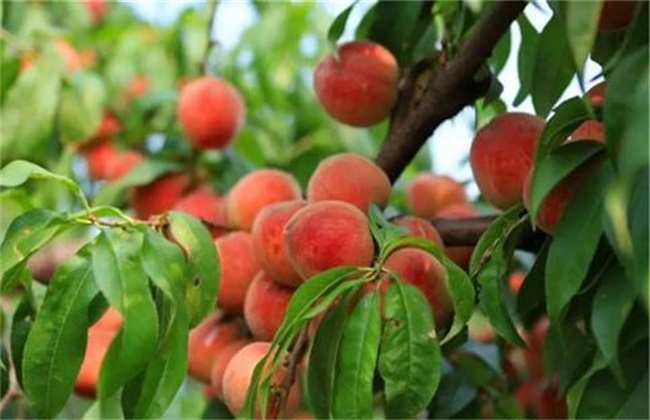
1. Soil, Fertilizer and Water Management
After peach trees are harvested, we should promptly apply a topdressing of quick-acting chemical fertilizer. However, attention should be paid to controlling the amount of nitrogen fertilizer to avoid excessive nitrogen application causing excessive vegetative growth of peach branches and leaves, thereby affecting flower bud differentiation. For young fruiting trees, each tree needs about 0.5 jin of urea, while for mature trees this can be increased to about 1 jin. At the same time, foliar fertilizer should be appropriately sprayed in combination with pest and disease control work. In September to October, deep plowing of the soil should be done well, and combined with the application of fully decomposed farmyard manure. Then winter irrigation water should also be applied well to ensure the peach trees safely overwinter.
2. Timely Winter Pruning
Peach trees grow relatively quickly, and after harvest, the new shoots of peach trees grow even faster, easily forming secondary shoots. Therefore, this easily leads to reduced ventilation and light penetration inside the canopy, consuming excessive nutrients, thereby affecting flower bud differentiation. So branches that are too dense, too long, drooping, as well as pest-damaged and upright branches should be pruned in a timely manner. Thin and weak branches should be appropriately thinned out to avoid consuming excessive nutrients and to improve ventilation and the light environment within the canopy. At the same time, for branches with small angles, branch bending work should be done well to open up the angles. Then attention should also be paid to basic pruning work such as heading back, short cutting, twisting shoots and pinching. This improves the tree's ventilation, enhances photosynthetic capacity, and promotes the formation of good flower buds.
3. Pest Control
After peach trees are harvested, if pesticide management is neglected, peach trees are very susceptible to damage from various pests, such as red spiders and aphids. These pests suck nutrients from the peach trees, causing reduced nutrient return within the tree, seriously affecting the quality of flower buds the following year. Moreover, if not controlled in a timely manner, they will also lay large numbers of eggs, which is very detrimental to the growth of peach trees. Therefore, after peach trees are harvested, pesticides should still be sprayed regularly to control pests, and appropriate amounts of foliar fertilizer and growth regulators can be added. Available agents include brassinolide, potassium dihydrogen phosphate, etc.
4. Orchard Cleaning Work
The orchard cleaning work after peach trees are harvested is naturally also indispensable. In particular, attention should be paid to doing well the land preparation and fertilization work. Winter fertilizer is the key to ensuring that peach trees safely overwinter. Land preparation is mainly to clean the orchard soil, disinfect the soil, and eliminate bacteria and insect eggs lurking in the soil. At the same time, fallen branches and fruits, residual branches and fallen leaves, as well as weeds in the orchard should be centrally removed from the orchard and burned. This is because these all easily harbor large amounts of bacteria that overwinter, and are also very prone to causing disease the following year, affecting the normal growth of peach trees.
The above is a brief introduction to how to manage peach trees after harvest. That's all for today's introduction. This article is for reference only, and we hope it can be of some help to everyone!