How to Manage Apple Trees After a Late Spring Cold Snap
In recent years, late spring cold snaps have become increasingly frequent, causing many apple orchards to suffer reduced yields or even total crop failure to varying degrees. If an apple orchard hit by a late spring cold snap is left untended, the apple trees will show signs of malnutrition and extensive leaf drop, flower bud differentiation will be affected, and an off-year will occur the following year. So how should apples be handled after a late spring cold snap? Let's take a look together.
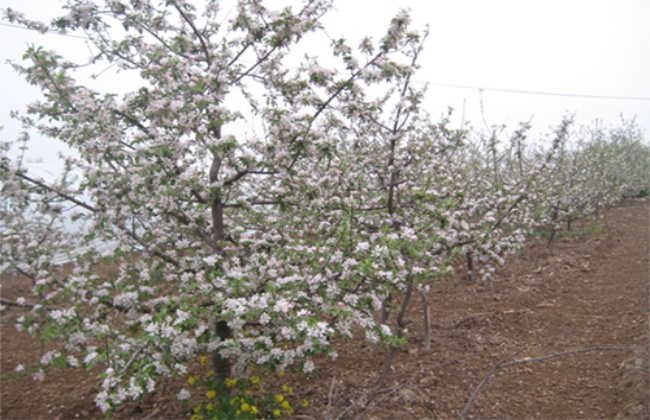
1. Suspend Flower and Fruit Thinning
Orchards hit by a late spring cold snap should temporarily suspend flower and fruit thinning. After fruit set is stable, thinning and retention should be done flexibly according to the fruit set rate, the severity of freeze damage, the quality of young fruits, and tree vigor. Orchards after a late spring cold snap should make full use of late-blooming side flowers and fruits and the central fruit of axillary flower buds to preserve yield and increase income. In addition, note that young fruits with mild freeze damage that are prematurely aging will develop frost ring symptoms as they grow, which will affect the commercial value of the fruit, so they can be thinned as appropriate.
2. Spray Plant Growth Regulators
Affected by the high temperatures in the early stage and the late frost damage during full bloom, even timely fruit set is far inferior in quality to previous years, mainly because the seeds formed through pollination and fertilization under high temperatures are few, and in addition the late frost damaged some seeds. Later, the small number and poor quality of seeds may also lead to physiological fruit drop. Gibberellin can be sprayed in time to effectively increase the fruit set rate, promote the swelling of young fruits, and improve the commercial value of the fruit.
3. Topdressing to Strengthen Tree Vigor
For orchards with different degrees of freeze damage, the frozen young fruits and tender leaves are in a stage of resumed growth and need to consume a large amount of nutrients. According to tree vigor, high-nitrogen or balanced trace-element water-soluble fertilizer should be applied in time to promote root and branch and leaf growth as well as young fruit swelling, which is of great help in restoring tree vigor and increasing yield.
4. Timely Summer Pruning
Because the load of many fruit trees has decreased, branches and shoots begin to grow vigorously. To avoid excessive nutrient consumption, pinching, shoot twisting, and branch bending should be done in time. For overly vigorous fruit trees, ring cutting or ring girdling should also be done at the right time and to an appropriate degree, which is beneficial for apple flower bud differentiation. However, pinching, shoot twisting, and branch bending are time-consuming and labor-intensive, and ring girdling easily damages the tree, so it is recommended to combine summer pruning with plant growth retardants to control vigor and promote flowering, thereby reducing the workload and cost of summer pruning.
The above is an introduction to management measures for apple trees after a late spring cold snap. We hope it helps you. To learn more related knowledge, please stay tuned to us.