What causes apples to be small in size
Apples are a fruit that many people love very much, and they are grown in regions all across our country. Because apples have extremely high nutritional value and can supplement the body's nutrition and promote digestion, their planting area in our country is also very large. When growing apples, small fruit size is very common. This can seriously affect the quality and profitability of the apples. So what causes apples to be small? Let's take a look below!
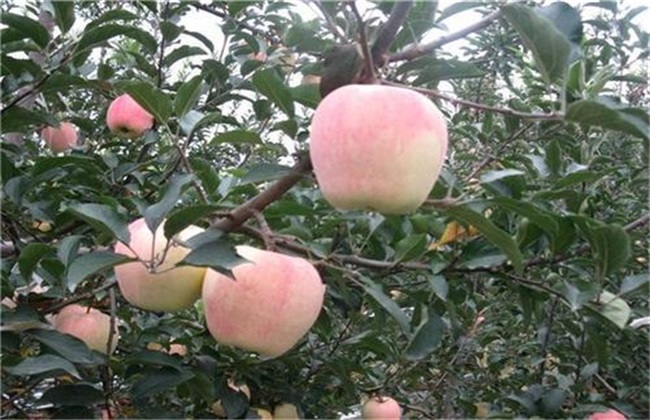
1. Too many fruits left on the tree
When growing apples, if no attention is paid to flower and fruit thinning and the load on the apple tree is not properly controlled, and the leaf-to-fruit ratio is not managed well, the apple tree will bear too much fruit. Because the tree itself has limited nutrients to begin with, it cannot satisfy the growth and development of all the fruits. As a result, the fruits become smaller due to insufficient nutrients. The more fruits are left on the tree, the more dispersed the nutrients become, affecting the speed of cell division. Therefore, small fruit is bound to occur. So excess flowers and fruits should be thinned in time to avoid excessive nutrient consumption and to improve fruit size, color and sugar content.
2. Environmental factors
Every year in July and August, the weather is very unfavorable for apple growth. July is the height of sunny weather, with high temperatures and drought. If this is not dealt with in time, the fruits will stop growing. August, on the other hand, is rainy, and without drainage, waterlogging is likely to occur, causing the roots to carry out anaerobic respiration. This affects the apple tree's root system absorption of nutrients and water. The fruits also become smaller due to a lack of nutrients and water. Therefore, during these two months, we must both do a good job of watering to prevent drought and drain water in time, and fertilize reasonably, which can effectively make up for the small fruit problem.
3. Improper pruning
Pruning apple trees is very important, and many orchards have problems such as too many branches left and an unbalanced tree structure that causes the orchard to become overcrowded. Poor ventilation and insufficient light cause the apple tree's vigor to be strong at the top and weak at the bottom, and the fruiting area also shifts outward as a result, which leads to the fruits on the lower branches being too small. In addition, when developing fruiting branch groups, do not simply prune lightly and leave long shoots. Otherwise, the distance for nutrient transport will be too long and consumption too great, thus affecting fruiting. So when pruning, we must pay attention to balancing the growth vigor of each main branch among the plants, ensuring balanced yield and making management easier.
4. Insufficient nutrients
The amount of nutrients stored in the tree is the key to fruit size. If fertilizer is not applied in time, or if the fertilizer applied is insufficient or the nutrient ratio is improper, it will affect the nutrient accumulation of the apple tree, which is also a common problem in many orchards. Some fruit growers want to leave more fruit on the tree but do not want to invest too much, which leads to the common problem of insufficient nutrients in apple trees and overly weak tree vigor, causing small apples. When fertilizing, chemical fertilizers should not be applied over the long term either, especially high-nitrogen fertilizers, which can very easily cause excessive vegetative growth of branches, thereby affecting apple enlargement and resulting in small, green apples.
The above is a brief introduction to why apples grow small. That is all for today's introduction. This article is for reference only, and we hope it can help everyone!