What are the causes and control measures of calcium deficiency in apples?
Apple is a very common fruit, widely distributed throughout our country. When growing apples, the nutritional demands of apples are very high. If nutrients are lacking, nutritional deficiency is likely to occur. This is especially true of various medium and trace elements, among which calcium is even more important. Calcium deficiency in apples has a very large impact on their yield and quality. So what are the causes of calcium deficiency in apples? How should it be controlled? Let's take a look below!
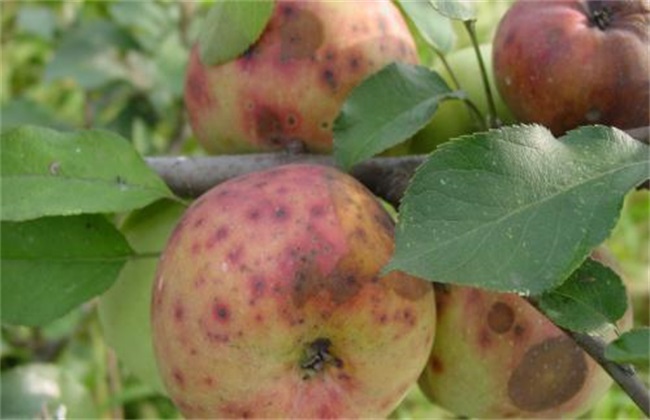
I. Causes of calcium deficiency
1. Soil calcium deficiency
The movement and transport speed of calcium ions within the apple tree is very slow, so supplementing calcium to the apple tree from the soil is very slow. The transport of calcium ions in the xylem of fruit trees mainly occurs through evaporation from the leaves; in mature leaves, transpiration is relatively strong, so calcium is relatively abundant. For terminal buds, weak buds, and branches in the lower part of the fruit tree with poor light conditions, transpiration is weak, so calcium is scarce. In addition, the element calcium ions in the phloem is very poor, and the calcium in mature leaves cannot be used by young leaves, root tips, and fruits. Therefore, when apples are deficient in calcium, it first shows up in root tips, growing points, and fruits.
2. External causes
When fertilizing, if chemical fertilizers are applied for a long time, it will cause the available medium and trace elements in the soil to be depleted, leading to severe soil calcium deficiency. Or applying large amounts of nitrogen, phosphorus, and potassium fertilizers will also inhibit the fruit tree's absorption of calcium. In addition, if the soil is severely dry and the soil moisture content is below 50%. Then the leaves will gradually wilt, thereby weakening transpiration and causing the transport of calcium ions to be blocked. At the same time, too much accumulated water causing waterlogging damage will also cause calcium deficiency. Finally, before apple harvest and during the rapid expansion period of the fruit tree, if there is insufficient light and long periods of rain, it will likewise affect calcium ions and cause calcium deficiency symptoms.
II. Control measures
1. Reasonable fertilization
When fertilizing, we must pay attention to controlling the amount of chemical fertilizer applied. When applying base fertilizer in autumn, it should mainly be agricultural machinery fertilizer and some high-quality organic fertilizer. At the same time, the amount of fertilizer applied should also be controlled, generally applying about 40kg of silicon-calcium fertilizer per mu. Use fertilizer to increase the content of organic matter and medium and trace elements in the soil, thereby improving soil fertility. However, because the transport speed of calcium ions within the fruit tree is very slow, there may not be very obvious results in the same year. But as long as it is applied every year consistently, the problem of calcium deficiency in apple trees can be fundamentally solved.
2. Other measures
During the first growth peak of the apple tree roots in March, apply an appropriate amount of calcium nitrate to the soil. Then, during apple bud break, flowering, and the young fruit stage, spray an appropriate amount of chelated liquid fertilizers such as amino acid calcium onto the leaves, which has a significant calcium-supplementing effect. Then prune appropriately to provide a good light environment for the fruit tree. If the soil is dry, water it in time to maintain the maximum field water-holding capacity of the soil at about 65%. Finally, thicken the soil layer under the canopy, build good drainage ditches, and drain water in time during the rainy season, etc.
The above is a brief introduction to the causes and control measures of calcium deficiency in apples. That is all for today's introduction. This article is for reference only, and I hope it can help everyone!