A Detailed Guide to the Best Time and Methods for Grafting Citrus
Citrus is a common fruit in our daily lives and is widely cultivated in China. When growing citrus, the propagation method is very important. Generally, the most commonly used propagation method for citrus is grafting. So when should citrus be grafted? And how should it be done? Below, the editor brings you the grafting time and methods for citrus. Let's take a look!
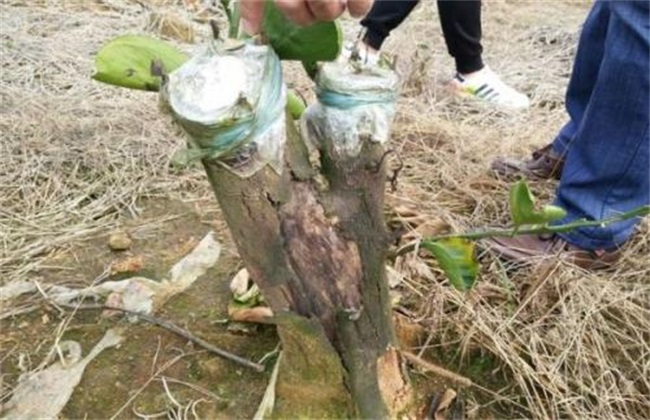
1. Scion preparation
When citrus is grafted using bud plates, it is generally done around September to October each year. First, the scion preparation work should be done well. Scions should be collected from mother trees that are pure in variety, high-yielding, good in quality, and robust in growth. Generally, autumn grafting is the main method. For orchards specifically used for collecting scions, sufficient base fertilizer and compound fertilizer should be applied in July. Then, branches such as water sprouts, single-terminal fruit branches, and spring shoot nutritional branches should be cut back. Then, according to the growth of the base branches, about two new shoots should be selected and retained, and pest and disease control should be done well to improve the survival rate and germination rate of grafting.
2. Scion collection
When collecting scions, pay attention to the weather and do not do it on rainy days. It is best to collect scions on sunny days or cloudy days. When collecting scions, do it in the middle and upper parts of the mother tree canopy, the outer periphery, and places with sufficient sunlight. Ensure the branches are fully matured, with a length of about 15 cm, mainly robust autumn shoots. After the branches are cut off, place them in a cool place. When collecting scions, remove the leaves while collecting. Do not pull the leaves off by hand, to avoid injury. Then place the scions among the leaf pile and transport them to the nursery for later use.
3. Scion treatment
After transporting the scions to the nursery, place them in a cool place to dissipate heat for about two hours. Then soak them for half an hour in agents such as agricultural streptomycin. Remove them, wash them clean, then place them in tetracycline hydrochloride and soak for two hours. After cleaning and drying, they can be grafted. If storage is needed, use clean coarse river sand with a moisture content of about 8%, tie the branches into small bundles, and spread about 5 cm of sand on the ground. Place the scions on it, then cover with a layer of coarse sand. Then cover the upper layer with woven bags or gunny bags, and check about once every five days. The storage time should not exceed half a month, and it is best to graft as soon as possible.
4. Grafting time and methods
The time for autumn grafting is generally from September to October, mainly using bud plate side grafting. First, at a position about 12 cm above the ground on the rootstock, cut a knife downward from top to bottom close to the main trunk, cutting to about the xylem, with the cut kept at about 2.5 cm. Then remove half of the rootstock bark, open one row of rootstock at a time, and then cut the bud plate. When cutting the bud plate, first hold the scion properly, then make a smooth downward cut from about 1/3 above the bud toward the front at about 20 degrees, keeping the length at about two centimeters, with a slight bit of xylem. Then make an oblique cut at about 2/3 below the bud at an angle of about 45 degrees, crossing the first cut to remove the bud plate. Insert the bud plate directly into the bottom of the cut on the rootstock, then wrap it with grafting film, leaving the bud eye exposed.
The above is a brief introduction to the grafting time and methods for citrus. That is all for today's introduction. This article is for reference only, and I hope it can help everyone!