Detailed Explanation of Key Management Techniques for the Grape Budburst Period
Grapes are a fruit loved by many people. They are grown all over our country, and when growing grapes, we need to adjust our management methods according to the grape's growth stage. Suitable management methods are what ensure the grape grows normally, especially during the budburst period. So how should grapes be managed during the budburst period? Below, the editor brings you the management techniques for the grape budburst period. Let's take a look!
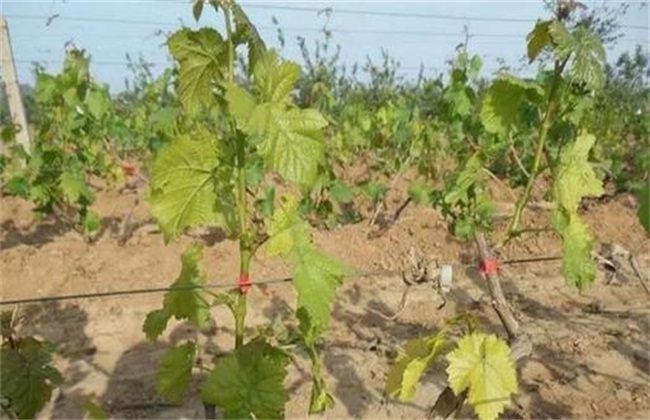
1. Appropriate fertilization
Every year in March, grapes are generally in the budburst period, and this is also an important time for grape flower bud differentiation and new shoot growth. Therefore, the grape's demand for nutrients also increases greatly. So the first thing we need to do well is fertilization. If the soil in the orchard is relatively dry, then water it in time to ensure the grapes bud uniformly. For varieties with weak tree vigor but good fruit set, fertilize in time. Before the grapes bud, apply sufficient decomposed human waste, together with an appropriate amount of urea, keeping the amount at about 15% of the whole year's total.
2. Timely bud removal
After winter pruning of the grapevine, generally about 70%-80% of the winter buds on the fruiting mother branches sprout. At this time, pay attention to the number of buds retained; do not retain too many buds, because too many can easily lead to wasted nutrients, weakened tree vigor, and affected fruit set. But retaining too few buds is also inadvisable, otherwise the branches and vines tend to grow excessively, causing serious flower and fruit drop. Generally, on each fruiting mother branch, retain one bud about every 18 cm, keep 3-4 new shoots, and then remove the excess from the base. When removing buds, focus on buds without flower clusters or weak buds; keep one shoot per bud eye.
3. Shoot positioning and vine tying
Then we also need to do a good job of shoot positioning and vine tying. First, for the retained new shoots, before flowering, pinch them about 5 leaves above the flower cluster. If there is no flower, then pinch after retaining 8 leaves. After pinching, a large number of secondary shoots will sprout, and it is enough to retain about one to two secondary shoots at the top of the tree, and these also need to be pinched repeatedly. Then remove the excess secondary shoots, and do the vine tying work according to the growth of the branches and vines. Finally, it is also necessary to remove about 1/5 of the tips of the flower clusters, and spray an appropriate amount of boron fertilizer and urea. About one week after flowering, for trees with more fruit set, thin the fruit and bag them for protection.
4. Other management
During the grape budburst period, we should also pay attention to doing a good job of clearing the ditches. Because there is relatively a lot of rain in spring, whether it is a newly built or old orchard, ditch clearing and drainage work must be done well to avoid waterlogging caused by excess water. Then also carry out appropriate cultivating and weeding to improve soil permeability and concentrate nutrients. At the same time, when the grape sends out about 4 new leaves, do a good job of disease prevention. Generally, spray once about every week, and especially strengthen spraying after rain. Choose suitable pesticides for control according to the disease, to ensure the grapes grow normally.
The above is a brief introduction to the management techniques for the grape budburst period. That is all for today's introduction. This article is for reference only, and I hope it can help everyone!