Detailed Explanation of Wax Apple Pest and Disease Control Methods and Technical Points
The wax apple itself has a distinctive odor that easily attracts insects, which in turn triggers diseases. In addition, the wax apple's skin is very thin, giving it poor defense against certain diseases and making it highly susceptible to infection. So what pests and diseases affect wax apples? Let's find out below!
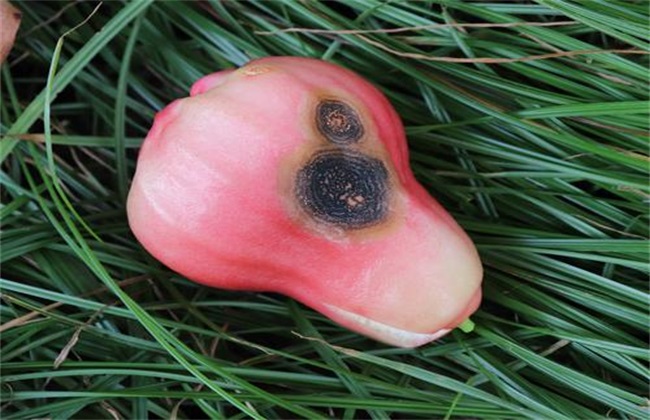
1. Anthracnose
Anthracnose is a disease that many fruit trees encounter, and wax apples are no exception. When it occurs, the damage to the fruit is relatively severe, and it generally starts on the fruit and spreads outward in all directions. First, brown spots appear; as the disease progresses, the brown spots on the fruit penetrate into the fruit's interior, causing the fruit to rot. When spots appear on the leaves, they likewise spread as brown spots, and the leaves gradually dry up. You can spray with 80% mancozeb wettable powder at 600 times dilution, or 50% thiophanate-methyl wettable powder at 600 times dilution, or similar chemicals, using them according to the instructions.
2. Fruit Rot
When the disease occurs, water-soaked spots appear on the wax apple, in brown and purple colors, which gradually deepen over time until the entire fruit looks as if it has dried up and the whole fruit has changed color. Azoxystrobin at 1500 times dilution, or Bai Tai at 1500 times dilution spray, are chemicals targeting wax apple fruit rot, but try not to use them within 2 weeks before harvest. Follow the recommended usage and dosage, especially regarding concentration.
3. Oriental Fruit Fly
The oriental fruit fly is mainly attracted by the fragrance of the wax apple, and it basically only harms the fruit. Generally, the female lays eggs on the wax apple, using it as a hatching ground, and the larvae begin absorbing the wax apple's nutrients after birth. Oriental fruit fly larvae crawl inside the wax apple to obtain more nutrients, so when an oriental fruit fly infestation occurs, many wax apples will have insect holes accompanied by rotting. You can consider treating this with chemicals such as 25% malathion wettable powder, or you can choose to place insect traps nearby to reduce the chance of infestation.
4. Thrips
Insects like thrips do little harm to the fruit, but they pose a greater threat to the leaves and flowers of the wax apple tree, ultimately preventing the fruit from ripening normally. Their harm to the leaves is by sucking nutrients, causing the leaves to continually drop, and their harm to the flowers is by damaging their internal structure, leading to various deformities or defects in the fruit after it sets. You can consider lambda-cyhalothrin, deltamethrin, or similar chemicals, but it is best to use them according to a doctor's instructions, as the harm is relatively serious.
5. Green Leafhopper
The green leafhopper is a pest that virtually all fruit trees encounter, and their greatest threat is hindering the growth of new branches on fruit trees. Green leafhoppers are very particular about their habitat, seeking only tender branches and leaves, so when checking for green leafhoppers you should pay extra attention to these places. After this pest appears, the new branches and leaves are affected, often appearing bent or curled, and you can open these leaves to see if there is anything abnormal. You can consider 50% parathion at 2000 times dilution, which works fairly well.
The above are some common pests and diseases of wax apples and their control methods. If you discover pests or diseases, first figure out which type it is, then treat it accordingly.