How to Grow Loquats? A Detailed Explanation of Planting Methods and Key Technical Points
The delicious taste of loquats is widely recognized, so growing loquat trees is something many people want to do, but due to a lack of knowledge about growing techniques, they dare not easily get started. To solve this problem for everyone, today we will tell you how to grow loquats. If you are interested, let's learn about it together!
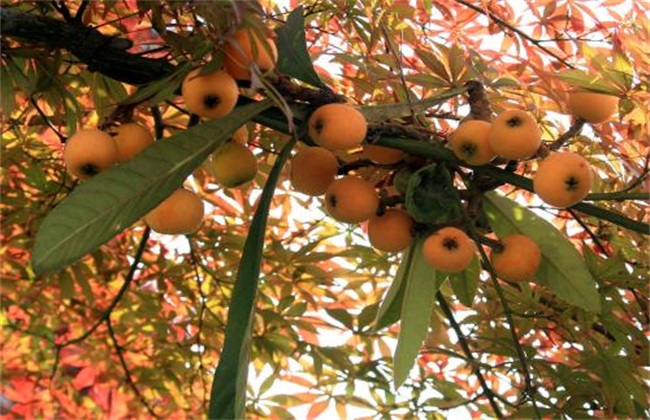
1. Planting and Establishment Management
Growing your own seedlings is very difficult, and most people cannot cultivate loquat seedlings, so it is recommended to buy seedlings, as the investment is small and the risk is not high. Loquat seedlings are very cheap, so you can prepare some extra loquat seedlings as backups, so that during the planting period any unsatisfactory ones can be replaced in time. When planting, the bottom of the pit needs to be pre-mixed with fertilizer for decomposition, for about one month, then fill in a layer of soil, about 2-3 cm thick, and then place the loquat seedling in. Plant when the fertilizer is best decomposed and the fertility is strongest, so the survival rate of the loquat is higher.
2. Seedling Optimization
After planting, seedling optimization is needed, because once planting begins, some seedling problems will gradually show up. Some with poor growth and weak tree vigor will become fairly obvious in about a week. For such seedlings, it is best to replace them in time with better-quality seedlings, so that the orchard's later returns will be higher. If you are afraid of wasting too many seedlings, you can specially prepare an area to cultivate these seedlings, and later those with good growth can be gradually cultivated further.
3. Fertilizing and Irrigation
After seedling optimization is completed, you need to start paying attention to the fertilizer and water issues of the loquat tree. If fertilizer and water are reasonable, its growth will be much faster than normal. The loquat tree itself has many roots, so its demand for fertilizer is not particularly obvious. Topdressing is mainly at the stage before and after fruiting, when the number of fruits is large and the nutrient demand is high. At other stages, just apply topdressing according to growth, about once every 1-2 months. As for irrigation, it mainly depends on the weather. Just keep the soil relatively moist. It itself has a certain drought resistance, generally about 1-2 times per month.
4. Disease Prevention
The taste of the loquat tree's fruit itself is extremely attractive to insects, so in many cases what appears on loquat trees is pest damage. The main prevention effort is best focused on this aspect. As for diseases, with proper attention there is generally not much of a problem. Pests such as the yellow hairy caterpillar and longhorn beetle are fairly common. These easily invade the inside of the loquat. Usually, trapping insects is used to prevent pest damage, combined with chemical prevention, working together. There are many insect-trapping devices, so you can just search and buy them directly, no need to worry too much.
After reading the above, those who did not know how to grow loquats should understand a little. In fact, growing loquats is not very difficult. If you are growing them for yourself to eat, you do not need to be too particular, but if you plan to join this planting industry, you need to pay more attention and adjust some detailed issues according to your actual situation.