How to prevent and treat pesticide damage in watermelon? A full analysis of practical methods
The watermelon fruit surface is smooth and the rind is very thin. Because this characteristic determines its sensitivity to pesticides, pesticide damage is extremely likely to occur during watermelon cultivation. So how should pesticide damage in watermelon be prevented and treated? Let's take a look together with the editor.
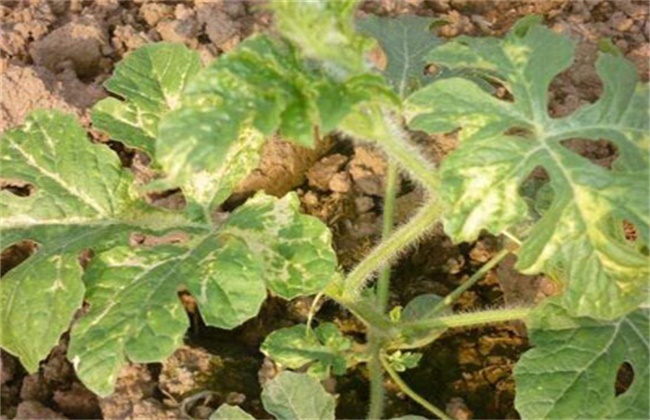
1. Symptoms of pesticide damage
There are two types, acute and chronic. Acute symptoms appear from a few hours to 3-4 days after spraying, develop rapidly, such as burning, wilting, leaf drop, and flower and fruit drop. Chronic pesticide damage, however, causes obvious reactions only after a relatively long time following spraying, because physiological activities are inhibited, manifesting as poor growth, leaf deformity, delayed maturity, poorer flavor, and unfilled seeds. The performance on leaves is especially obvious and widespread, such as spots of various colors, localized tissue scorching, perforation or shedding, or leaf yellowing, chlorosis, thickening and deformity, etc.
2. Causes
After pesticides are sprayed onto leaves, they invade through stomata, hydathodes, and wounds, and sometimes also penetrate through the epidermis of branches and leaves, flowers and fruits, and roots. When applying the pesticide, the particles of the agent directly block the stomata and hydathodes on the leaf surface, or directly enter the intercellular spaces of the tissues, causing the crop's respiration, transpiration, and assimilation to be inhibited. After the agent enters the crop tissues and cells, it undergoes chemical reactions with some substances, causing physiological functions to be destroyed, resulting in abnormal symptoms and physiological abnormalities.
3. Prevention and treatment methods
Choose relatively safe pesticides, and try to avoid spraying during periods when the crop's tolerance is relatively weak. Generally, the seedling stage and the flowering and fruit-setting stage are most prone to pesticide damage, so special attention is needed. Correctly master application techniques, strictly prepare the pesticide according to concentration and dosage, achieve scientific and reasonable mixing, and avoid applying pesticide at hot noon, because under strong light and high temperature, the crop's tolerance weakens and the pesticide's activity increases, making pesticide damage extremely likely. When seeds and seedlings are slightly damaged, strengthen management and appropriately supplement nitrogen fertilizer to promote early seedling development and a return to normal growth. When leaves and plants are severely damaged, irrigate promptly, apply more phosphorus and potassium fertilizer, and cultivate the soil to promote root development and enhance recovery ability. If the wrong pesticide is sprayed, a large amount of water can be sprayed or flushed, and attention should be paid to drainage and irrigation.
The above is an introduction to methods for preventing and treating pesticide damage in watermelon. We hope it helps you. To learn more related knowledge, please stay tuned to us.