What are the precautions for scraping bark from pear trees in winter
I believe many farmer friends have heard the saying "If you want to eat good pears, scrape the bark in winter." Winter bark scraping has a huge impact on the growth of pear trees, so how should you scrape the bark of pear trees in winter? What should you pay attention to? Let's take a look.
1. Master the timing of bark scraping
Bark scraping can be done throughout the entire dormant period of pear trees, but the best time is from December to January of the following year. Areas with warm winter weather can scrape appropriately earlier, while cold areas can scrape during the period from the Beginning of Spring to the Awakening of Insects.
2. Pay attention to the scraping location
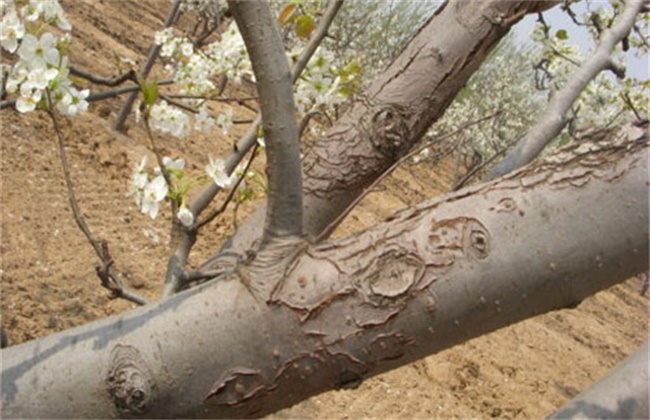
Bark scraping on pear trees cannot be done on just any part. Generally, choose places with older tree age, thick trunks, and many coarse bark, raised bark, and cracks, as these parts also harbor more overwintering diseases and pests. The scraping location varies depending on tree age. For trunks around 10 years old, within 40 cm from the ground, mainly scrape the bark on the south side of the tree body; while for plants more than 10 years old, mainly scrape the main trunk. When coarse bark appears on the skeletal branches, it should be scraped off in time.
3. Bark scraping method
The outer bark layer of pear trees is thick and has many cracks, making it very easy for pathogens and pests to hide, so scrape deeply until the red inner bark is reached. Before scraping, first spread plastic film and mats around the trunk so that the scraped debris can be collected centrally and burned, to prevent it from falling into the soil. Generally, scrape once every 1-2 years. As long as new cracked bark appears, it needs to be scraped in time. For plants with weaker growth, do not scrape every year, and scrape lightly as well. During the scraping process, if diseased scars are found, a set of sterilized tools needs to be used for handling, and they must also be sterilized and stored after use, otherwise they are very easily infected by pathogens.
4. Post-scraping treatment
After scraping, apply a protective agent. Quicklime, lime sulfur mixture, salt, and plant oil water can be mixed with water in a certain ratio, adjusted to a moist state, and then brushed onto the trunk with a brush. If no protective agent is applied, then the injured parts will rot during the growing season due to pathogen infection.
The above is an introduction to the precautions for scraping bark from pear trees in winter. We hope it can help you. To learn more related knowledge, please stay tuned to us.