Analysis of the Causes of Phytotoxicity in Honey Pomelo and Remedial Measures
The oil cells in the rind of honey pomelo are relatively large. During the young fruit stage, the peel is smooth and the tissue is delicate, making it highly susceptible to damage from irritating chemical agents, which results in phytotoxicity. Phytotoxicity can severely affect the economic interests of growers. So how should phytotoxicity in honey pomelo be handled? Follow along with the editor to learn more about it.
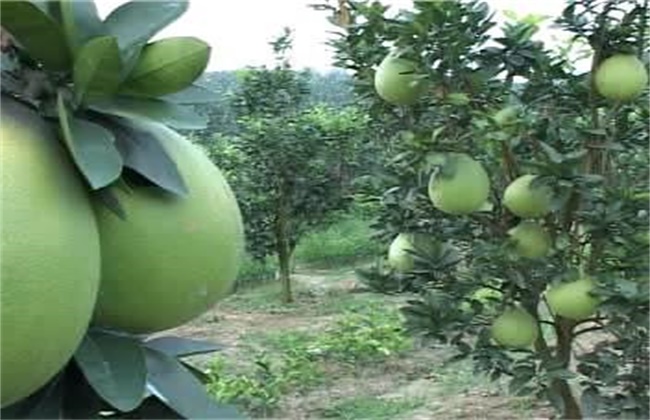
1. Symptoms of Phytotoxicity
Phytotoxicity mainly manifests on leaves, flowers and fruit. When leaves are damaged, spots of varying shapes and colors appear along with scorched yellow perforations, and the leaves become pale green, yellowed, scorched, deformed and shed. When flowers suffer phytotoxicity, it mainly occurs during the bud stage and flowering stage, primarily due to improper use of hormones and excessively high pesticide concentrations, causing flower organs to drop, premature withering, and flowers that fail to set fruit. When fruit is damaged, brown spots, yellow spots, small fruit, thick peel and deformities appear on the fruit surface.
2. Types of Phytotoxicity
Types of phytotoxicity can generally be divided into acute phytotoxicity and chronic phytotoxicity. Acute phytotoxicity generally shows symptoms within a few hours after spraying, causing water-soaked spots, wilting, yellowing, loss of green color and bleaching on leaves. Chronic phytotoxicity generally does not show symptoms immediately after spraying, or the symptoms are not obvious, but it affects growth and development, mainly manifesting as weakened photosynthesis, slow growth and development, and deformed fruit, resulting in a serious decline in yield and quality.
3. Causes of Phytotoxicity
First, there is a problem with the pesticide itself. If pesticides are purchased that are counterfeit, expired, contain hidden ingredients, have active ingredient content below standard, are mixed with harmful impurities, have problems with the three required certificates, or have registration information that does not match the label, phytotoxicity may occur after spraying. There is also improper spraying timing, such as spraying during high-temperature periods, because high temperatures evaporate the spray solution, causing the pesticide concentration to become too high, thus resulting in phytotoxicity. In addition, after spraying, due to high humidity and poor ventilation in the orchard, the spray solution not only dries quickly but also causes phytotoxicity. Mixing too many pesticides together and improper dilution can also easily cause phytotoxicity, and using too large a dose when spraying can also cause phytotoxicity.
4. Remedial Measures
If phytotoxicity is discovered relatively early, water can be sprayed immediately to rinse it off, which can dilute the pesticide on the leaves and reduce the pesticide content within the crop. Fruit that has suffered phytotoxicity should be removed promptly; for the sake of future yield and quality, you can also spray brassinolide at 2000 times dilution + potassium-containing foliar fertilizer at 2000 times dilution, spraying until there is a feeling of accumulated water, which can alleviate the phytotoxicity.
The above is an introduction to the causes of phytotoxicity in honey pomelo and remedial measures. We hope it helps you. To learn more related knowledge, please stay tuned to us.