Detailed Explanation of Key Points and Operation Methods for Bagging Honey Pomelo
Honey pomelo has a refreshing taste and high nutritional value, and is deeply loved by consumers. However, during the cultivation process, pests and diseases seriously affect the planting returns of the plants. In order to control the harm of pests and diseases while reducing pesticide residues, farmers began to bag honey pomelo. So how should honey pomelo be bagged? Let's take a look together with the editor.
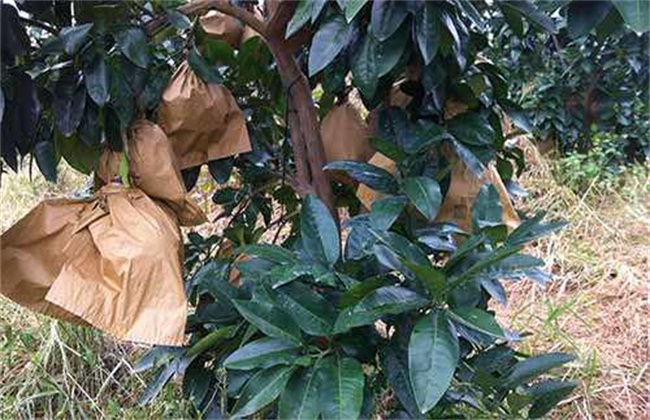
1. Advantages of Bagging Honey Pomelo
It can reduce the number of pesticide applications and save expenses. From bagging young fruit to harvest completion, the number of pesticide spraying can be reduced by 3-4 times, saving pesticide costs and spraying labor, and also reducing environmental pollution. Moreover, after bagging, the fruit will not come into contact with pesticides, there is no pesticide residue, and the fruit meets the standards for pollution-free food. Comparing bagged fruit with unbagged fruit, you will find that the bagged fruit has a bright and uniform skin with consistent peel coloring, while unbagged fruit has sunburn spots and pest and disease spots on the surface, with ordinary appearance quality.
2. Pre-bagging Treatment
Before bagging, the fruit first needs to be treated by removing all excess and inferior fruit, and at the same time pruning off the branches and leaves at the base of the fruit stalk, so as to prevent the branches and leaves from rotting after bagging. At the same time, dead branches, drooping branches, and diseased and pest-infested branches should all be pruned off to ensure the plant's ventilation and light penetration, making it convenient to bag the fruit. Before bagging, pesticides need to be sprayed, generally once on a sunny morning in May, then once again after an interval of one week. Once the liquid dries, bagging should be carried out immediately, and the fruit trees sprayed on that day must be completed on the same day.
3. Bagging Method
When bagging, choose a sunny day to spray the whole orchard once with insecticidal and fungicidal agents, then begin bagging. The bagging work should be completed within 3 days after spraying. If it is a large-area orchard, proceed in batches, spraying while bagging. If rainy weather prevents completion of bagging, choose a sunny day to spray again before bagging, so as to avoid rain washing away the pesticide and causing it to lose effectiveness, which would affect the protective effect on the fruit after bagging. From bagging to mature harvest, the fruit does not need further pesticide spraying, so before bagging, pests and diseases need to be eliminated completely.
4. Post-bagging Treatment
There are several points to note when bagging honey pomelo. First, within 15 days after bagging, pest and disease control work needs to be done once, mainly targeting scale insects and rust mites. After bagging, management cannot be neglected either. Check more often for whether pests and diseases occur, and remove bags in some areas for inspection to avoid pests and diseases occurring before bagging and then harming the fruit. In addition, after bagging, pay attention to fertilizer and water management to ensure what honey pomelo growth requires. In June-July, fruit-strengthening fertilizer can be applied, mainly nitrogen-phosphorus-potassium compound fertilizer.
The above is an introduction to honey pomelo bagging techniques. We hope it can help you. If you want to learn more related knowledge, please stay tuned to us.