What to Do About Strawberry Root Rot? Remember These Prevention and Control Methods
Strawberries are grown on a very large area in our country and are welcomed by many people. More and more people are growing them now, but when we grow strawberries, we often encounter many problems. One of these is strawberry root rot, which can have a major impact on the growth and yield of strawberries. So what should be done about strawberry root rot? What are its symptoms? Let's take a look together below!
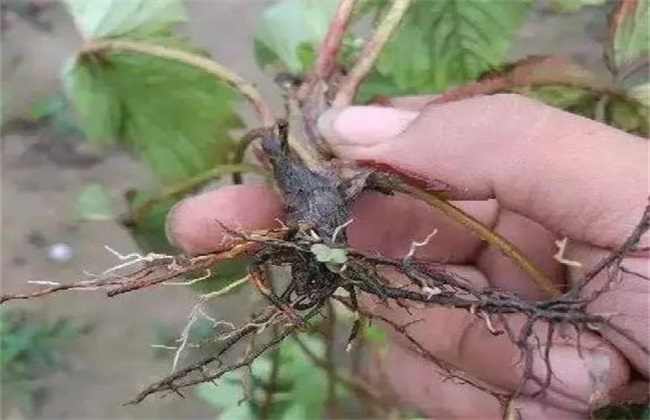
1. Symptoms of Root Rot
Strawberry root rot generally occurs mainly after seedling separation and transplanting of strawberry seedlings. As the name suggests, it mainly damages the roots. Generally, after strawberries suffer root rot, the main symptom is that no new roots are produced, while the root skin of old roots gradually turns brown and develops rust spots, then gradually necroses, and in severe cases rot appears. The aboveground part of the plant then shows water loss, with the outer leaves gradually wilting and then gradually turning brown and scorched. If it is not dealt with in time, the plant will be unable to recover to normal for a long time, ultimately leading to plant death.
2. Causes of Root Rot
The main cause of strawberry root rot is excessive watering. This is especially true for the first two waterings after strawberry transplanting, because at this time the strawberries have just been transplanted and their root capacity is relatively weak. If too much water is applied, the soil moisture content will remain in a saturated state for a long time, thereby affecting root respiration and ultimately causing root damage and root rot. Moreover, if it is not dealt with in time and the root rot becomes severe, it can also easily cause root diseases, seriously affecting the growth of strawberries.
3. Prevention and Control Methods
First, when planting strawberries, we should choose a good planting plot. The planting plot should mainly be loam soil with high terrain and dry soil. When fertilizing, it is best to apply enzyme fertilizer, which can both meet the nutritional needs of strawberry growth and avoid fertilizer damage. Then, when cultivating, the land should be well prepared, and the soil should be deeply plowed and disinfected to improve the soil's drainage and irrigation capacity. At the same time, it is best to cultivate mainly with high ridges and high beds, and try not to use flat planting, and also dig drainage ditches well to ensure normal strawberry growth.
During the growing process, we should also strengthen management. If cultivating in open fields, then after rain, drainage should be carried out in time to avoid water accumulation in the field. If cultivating in greenhouses, then after completing seedling separation and planting, the temperature should be appropriately raised. The ground temperature must not remain below 5°C for a long time. When watering, small-drop drip irrigation should be the main method, and it is best not to use flood irrigation, to prevent water accumulation in the field. After discovering signs of root rot, intertillage and loosening of the soil should be carried out in time to improve soil aeration and temperature. When necessary, an appropriate amount of rooting agent should also be used to promote the strawberry roots to recover as soon as possible.
The above is a brief introduction to what to do about strawberry root rot. That is all for today's introduction. This article is for reference only, and we hope it can help everyone!