What are the symptoms of iron deficiency in grapes, and what causes it?
Grapes are a very popular fruit, and their planting area in our country is also very large. However, when we grow grapes, many nutrient deficiency disorders often appear, seriously affecting the yield and quality of grapes. Iron deficiency is one of them, so what are the symptoms of iron deficiency in grapes? And what causes it? Today the editor brings you the symptoms and causes of iron deficiency in grapes, let's take a look below!
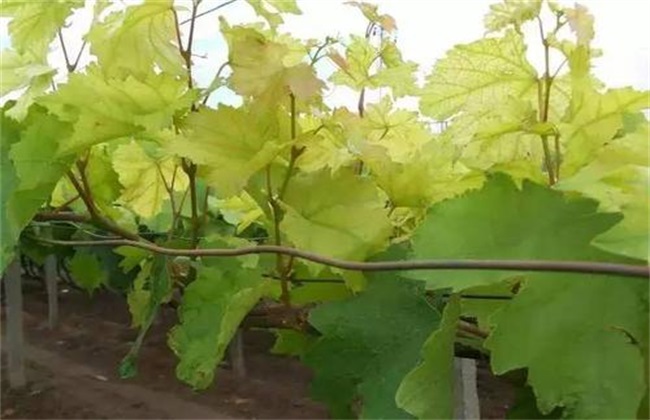
I. Symptoms of iron deficiency
Iron generally exists in grape plants in the form of high-molecular compounds, and does not easily move within the grapevine. Therefore, if grapes are deficient in iron, it will first show on the young leaves; the young leaves gradually lose their green color, and except for the leaf veins, which are unaffected, all other parts turn completely yellow, though the old leaves are not affected. If the symptoms are severe, the leaves will turn brown and necrotic from the bottom upward, then dry up and fall off. The growth of new shoots becomes poor, the inflorescences turn yellow and drop, and the fruit-setting rate also decreases noticeably. This seriously affects grape yield and quality and reduces the planting benefits of farmers.
II. Causes of the disease
1. Insufficient iron
Compared with other fruits, grapes have a greater demand for iron, so they are also very sensitive to iron. If the planting soil is sandy soil with high leaching and there is more rainfall, then soil erosion is more serious, iron is easily washed away, resulting in iron deficiency in the soil. At the same time, if there are consecutive years of high yield, then most of the iron in the soil will be absorbed. And if iron is not supplemented in time and the amount of organic fertilizer used is too small, then the soil will show severe iron deficiency.
2. Unsuitable soil
Soil is also a main cause of iron deficiency in grapes, and the availability of iron in the soil changes with changes in soil pH. If the soil pH is around 8 and contains a large amount of calcium carbonate, then the soluble iron salts in the soil will become insoluble, resulting in an excessively high total iron content in the soil but a lack of available iron, which the grape roots cannot absorb. Furthermore, if the soil is too sticky and heavy, has poor drainage and irrigation, and the temperature is too low, then the ferrous ions in the soil are easily fixed, so the grape roots cannot absorb them and symptoms of iron deficiency appear.
3. Fertilization reasons
Around June to July each year, the vegetative growth and reproductive growth of grapes are in the same period. At this time the demand for fertilizer is also very large, and many fruit growers habitually apply fertilizer by flushing it with water, and the fertilizer is mainly compound fertilizers such as nitrogen, phosphorus and potassium, neglecting the application of iron fertilizer. At the same time, after irrigation, the available iron in the soil plough layer moves downward due to leaching, causing the available iron content in the dense root zone to decline and symptoms of iron deficiency to appear. In addition, an imbalance in the nutrient ratio, for example an inappropriate ratio of trace elements such as zinc, copper and magnesium, causes antagonism among the elements and affects the absorption of iron by grape roots.
The above is a brief introduction to the symptoms and causes of iron deficiency in grapes. That is all for today's introduction; this article is for reference only and we hope it can help you!