What are the common mistakes in lychee pruning?
Lychee is a fruit that many people like, and it can grow and bear fruit normally only under good light conditions. However, if the orchard is too dense and has poor ventilation and light penetration, then light conditions will be affected, and at this time pruning is needed. But many people also fall into mistakes when pruning. Below, let's take a look at the common mistakes in lychee pruning with the editor.
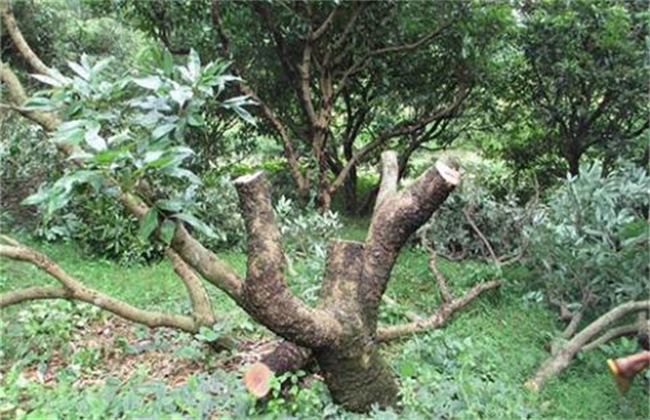
1. Not paying attention to the degree of pruning
Many fruit growers prune in a random way, and fundamentally do not pay attention to the degree of pruning. The pruning degree for rotation differs completely among different regions and varieties, and lychee in various places cannot be pruned according to a single standard. If pruning is too heavy after harvest, it will make it difficult for new shoots to sprout, the number will be relatively small, and it will be hard to cultivate high-quality fruiting branches, affecting yield; but if pruning is too light, then the canopy cannot be effectively renewed and a high-yield, stable-yield tree shape cannot be cultivated, which will also affect yield.
2. Not protecting the cut surfaces
After pruning, cuts and saw cuts of various sizes are left behind. If they are not treated in time or the treatment method is improper, the water in these cuts and saw cuts will quickly dissipate, causing drying and cracking, making healing difficult, and leading to infection by pests and diseases. It will also affect sprouting branches, and may even cause dead branches and dead trees, increasing the difficulty and cost of cultivation management, and will also affect the tree vigor of lychee and the yield of the coming year.
3. Uneven cut surfaces
When retracting fruiting branches, improper operation of pruning tools or directly breaking branches by hand will cause tearing of the cut surfaces, increasing the density of wounds and making healing more difficult. In addition, uneven cut surfaces will cause water to dissipate faster, making dry branch retraction very likely, and they are also very susceptible to pests and diseases, seriously affecting the number and quality of new shoots sprouting near the cut surfaces.
4. Ignoring protection of the trunk
After heavy pruning, exposing the lychee trunk directly to sunlight can easily cause sunburn and cracking of the bark, seriously affecting tree vigor. Moreover, after drying and cracking, the branches and trunk will be harmed by pests and diseases, which not only affects the sprouting of new shoots but is also unfavorable for trunk renewal. After heavy pruning, management needs to be strengthened. If the sun is too strong, a healing agent should be applied to the cut surfaces to promote healing, and fertilizer and water management should be strengthened at the same time to encourage the plant to sprout more new branches.
The above is an introduction to common pruning mistakes for lychee. I hope it can help you. To learn more related knowledge, please keep following us.