What are the methods for dealing with stunted grape seedlings?
Grapes are a very common fruit in our daily lives, and their planting area is very large. Although grape growing techniques are relatively simple and yields are fairly high, many problems are often encountered when growing grapes, and stunted seedlings are one of them. Stunted seedlings can have a major impact on grape yields. So what causes stunted grape seedlings? And how should they be dealt with? Let's take a look together below!
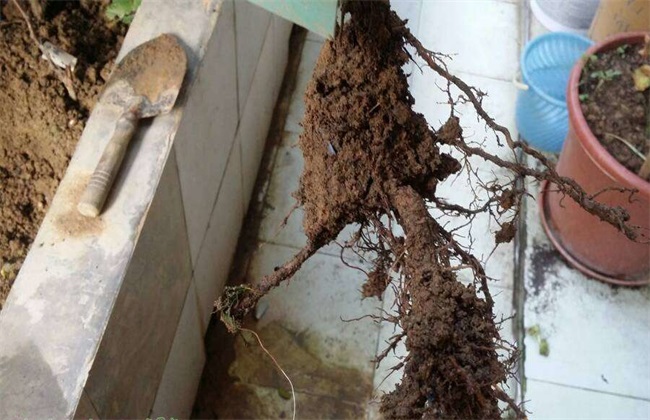
1. Causes
There are many causes of stunted grape seedlings. The first is improper fertilization. During the grape seedling stage, because the root system of grape seedlings is distributed relatively shallowly, their demand for fertilizer is fairly low. When fertilizing, if too much fertilizer is applied in the furrow, or if too much chemical fertilizer, compound fertilizer, etc. is used, it can easily cause root burn and lead to stunted seedlings. In addition, when establishing a vineyard, if the vineyard is located in a low-lying area that easily accumulates water, this will have a major impact on the respiration of the grape seedling roots, hinder the roots' ability to absorb fertilizer, and also lead to stunted seedlings.
In addition, when applying organic fertilizer, if it is not fully decomposed, it will cause a large number of pests and diseases at the roots. Excessive release of nitrogen in the soil inhibits root activity and triggers diseases such as root rot. Then, when fertilizing in continuous cropping land, compound fertilizer is generally the main choice. After applying compound fertilizer, if biological bacterial fertilizer or organic fertilizer is not supplemented, excessive toxins will accumulate in the soil, affecting root development. Finally, damage to grape seedlings by root-knot nematodes and a lack of trace elements can also very easily cause stunted grape seedlings.
2. Prevention and control methods
If we want to reduce the occurrence of stunted grape seedlings, the first thing we must do well is fertilization. For newly planted grape seedlings, be careful to apply compound fertilizer lightly and appropriately, then appropriately increase the application of biological bacterial fertilizer. When fertilizing, also pay attention to maintaining distance between the fertilizer and the grape root system, keeping it at least about 20 cm, to avoid fertilizer burning the roots. Then maintain good drainage and irrigation in the vineyard, so that during the rainy season or when too much water is applied, drainage can be carried out promptly, preventing the roots from being submerged due to excess water and affecting the normal growth of the grapes.
When using organic fertilizer or farmyard manure, it must be fully decomposed before it can be applied. When using hormone fertilizers, make sure there is a clear product label, and do not use substandard fertilizers. Then the content of organic matter and beneficial microorganisms in the soil should be increased, to avoid window protrusion disease and improve root activity. After newly transplanting seedlings, if the seedling recovery speed is relatively slow, then an appropriate amount of humic acid water-soluble fertilizer can be drip-irrigated into the soil to promote root growth, improve the resistance of the grape plants, and thereby achieve the goal of reducing stunted seedlings.
The above is a brief introduction to how to deal with stunted grape seedlings. That is all for today's introduction. This article is for reference only, and we hope it can help everyone!