Detailed Explanation of Fruit-Preserving Measures for Papaya, Effectively Reducing Fruit Drop
Papaya can be eaten as a fruit and also processed into medicinal materials; it is especially effective for arthritis caused by wind-cold. In addition, its plant is tall and can also serve as a courtyard ornamental plant. In recent years, it has been planted more and more widely. However, some friends experience rather serious flower and fruit drop when growing papaya, which greatly affects papaya yield. Below, follow the editor to take a look at the fruit-preserving measures for papaya.
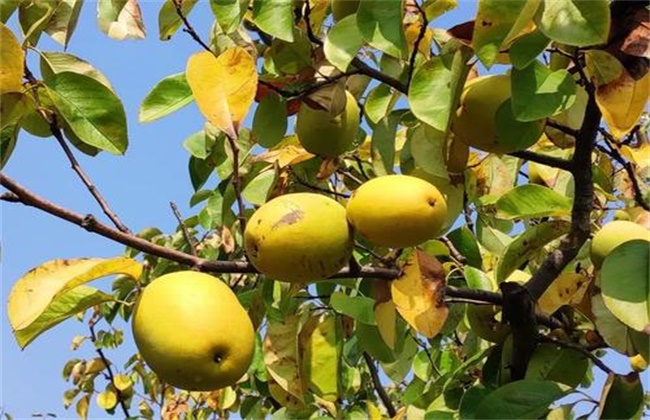
1. Reasonable pruning
In addition to winter pruning, supplementary pruning before flowering can further regulate the number of flower buds of papaya, maintain a suitable ratio of vegetative branches to fruiting, promptly prune excessive flower buds in rainy conditions, and cut back and renew weakened branches. This allows nutrients to be concentrated and improves the fruit-setting rate. For overly vigorous vegetative branches, pinch off the tips to remove part of the vigorous stem-tip growth points, reduce the synthesis of auxin and gibberellin and nutrient consumption, ease the contradiction between vegetative growth and reproductive growth, and significantly increase the fruit-setting rate.
2. Foliar fertilization
On the premise that the tree body grows robustly and nutrient supply is sufficient, spraying trace element fertilizers on the plants has a clear effect on promoting fruit setting, especially for orchards lacking certain trace elements. During full bloom, spray a borax + urea solution 2-3 times, which can promote pollen germination, pollen tube elongation, accelerate the pollination and fertilization process, and significantly increase the fruit-setting rate.
3. Assisted pollination
Papaya has a high seed-setting rate under self-pollination, but the seed-setting rate under cross-pollination is even higher, reaching 90%, so appropriate pollinator trees should be arranged in production, which has a clear effect on improving the fruit-setting rate. However, pollination quality is affected by climate, and when the number of pollinator plants is insufficient, artificial assisted pollination is needed. First, pick bell-shaped flowers that are about to open from robust trees and take out their anthers. If there are only a small number of plants, use a brush to dip pollen and apply it to the stigma. If the number of plants is relatively large, prepare a solution with 20 grams of pollen, 10 kg of water, 0.5 kg of white sugar, 30 grams of urea, and 10 grams of borax, then spray the flowers with a sprayer.
4. Flower and fruit thinning
Excessive flowers and fruits should be thinned in time to maintain a reasonable load on the tree body. This is the key point for striving for high yield, high quality, and preventing alternate bearing. Generally, buds are thinned during pruning, flower buds are thinned before flowering, flowers are thinned during flowering, and fruit thinning is completed within one week to one month after flower drop. For flower thinning, remove poor-quality flowers that grow weakly and are small; first thin clustered flowering branches and branches with dense inflorescences; first thin on the tree, then below the tree; first thin inside the canopy, then the outer part. For fruit thinning, first remove deformed fruits, then according to the fruit retention amount, determine whether to keep a single fruit or double fruits.
The above is an introduction to the fruit-preserving measures for papaya. We hope it can help you. If you want to learn more related knowledge, please stay tuned to us.