Detailed Explanation of Key Points on Carambola Cultivation and Management Techniques
Planting carambola is only the beginning; what truly tests growers is the orchard management that follows. For carambola trees to achieve high yields, more than half of the outcome is determined by later-stage management techniques, so this cannot be overlooked. So what issues should be noted when managing a carambola orchard? These points are the most important.
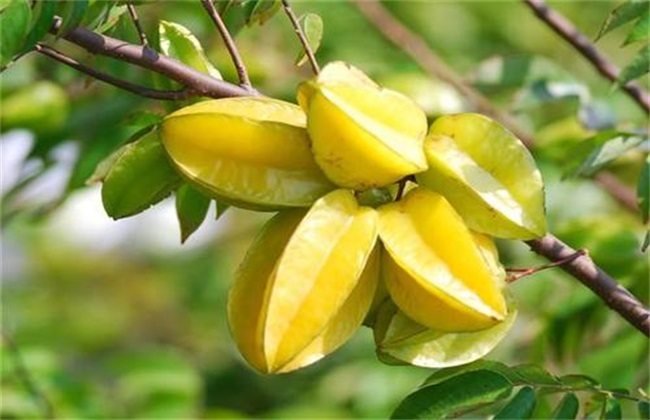
1. Weeding and Pruning
Before carambola trees have grown large, weeds pose a potential risk to the seedlings; even after they have grown, the harm from weeds is still considerable, so clearing the weeds around the carambola trees is a very important step. When clearing, try not to dig into the soil, otherwise it is easy to damage the root system of the carambola trees. In addition, branch pruning also needs attention; carambola trees require pruning multiple times, so do not expect to get it done in one step. The first few prunings should only target weak branches and diseased branches, while subsequent prunings should mainly target old branches and non-fruiting branches.
2. Root-circling Fertilizer Supplementation
The root system of carambola trees cannot be fertilized directly, otherwise it easily causes root rot. When topdressing, a large ring should be formed around the root system for root-circling fertilizer supplementation; place the fertilizer into the ring dug around the carambola tree's root system, then cover it with soil, and these fertilizers will be slowly absorbed as the root system expands. When digging the ring, dig shallower during the seedling stage and deeper once the tree has grown, so that the carambola tree can quickly absorb these nutrients.
3. Disease Prevention
One of the key points of management is doing a good job of disease prevention; fruit trees are all extremely prone to attracting pests. The most common pests of carambola trees include fruit flies, red spider mites, leaf roller moths and other pests, all of which cause relatively serious damage. Once these pests and diseases are found, they must be treated with medication promptly, including the area around the affected tree, which should also be included in the cleanup scope to prevent potential pathogens. As for diseases, the main one is anthracnose; when it occurs it is relatively obvious, and as long as you are a little careful, this disease is generally difficult to spread.
4. Timely Bagging
Finally there is bagging, which is also a key project in carambola cultivation today. After bagging, besides reducing interference from external factors and pests and diseases, it can also ensure the growth efficiency of carambola to a certain extent. Secondly, in such a carambola orchard, diseases are difficult to spread because isolation is ensured. However, the timing must be chosen well, and next, bags with better light transmission should be selected; if some bags do not produce ideal results, then adjustments should be made.
The above are some of the techniques that need to be managed when cultivating carambola. Only by doing a good job of management can growers breathe a sigh of relief, because this period is even harder work than the planting period. I hope this information can help everyone grow carambola better.