What are the precautions for fertilizing sugarcane?
Sugarcane is a stem-type fruit among fruits. Because it is rich in sugar and water and is extremely nutritious for our bodies, it is deeply loved by people. As its planting area grows wider and wider, fertilizing sugarcane has become a common problem faced by growers. Many people fertilize improperly and instead get the opposite effect. What should be noted? Let's take a look.
1. Early-stage fertilization
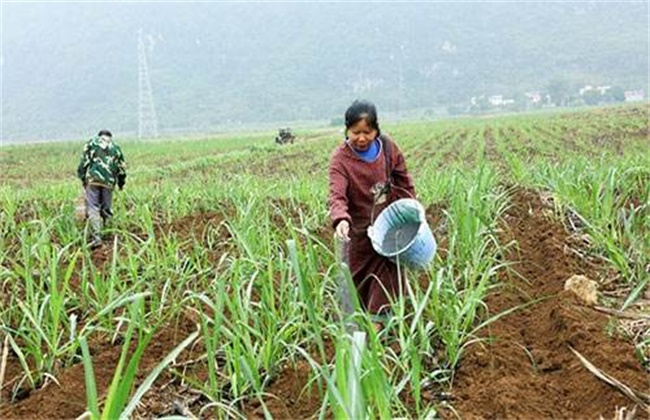
In the early stage of production, try not to apply too much fertilizer, because if too much fertilizer is applied, it will cause the soil concentration to become too high, which will affect the initial growth of sugarcane. Therefore, applying an appropriate amount of fertilizer in the early stage is enough. If too much is applied, the sugarcane root system is easily damaged and turns black, affecting yield. When planting sugarcane, fertilization also has strong timing. Fertilization should be chosen in the morning and evening, because the sun is too strong at noon and the fertilizer is easily volatilized. After earthing up, the sugarcane basically does not absorb much fertilizer, which will cause economic loss. In the morning and evening there is dew and the air humidity is higher, so the sugarcane will absorb more nutrients. After the sugarcane is placed properly, fertilizer can be applied, and then soil can be earthed up. When earthing up, try not to bury it too deep, as this will affect the germination rate.
2. Mid-stage fertilization ⟧7⟧By the middle stage, sugarcane has generally grown to 30 cm tall, and fertilization can also be carried out at this time. At this time, fertilizer should be applied to sugarcane in combination with hilling soil, so that the fertilizer is slowly absorbed in the soil, and fertilizing is also equivalent to loosening the soil, allowing sugarcane to grow faster. Fertilization should be chosen after rain. If fertilizer is applied before rain, the fertilizer will be washed away by rainwater, causing waste. If fertilizer is applied after rainfall, the soil is moist at this time, the fertilizer will not be lost, and the fertilizer efficiency is relatively high. After loosening the soil for sugarcane, soil should be earthed up in time to cover the fertilizer well. In this way, whether it is rainy weather or exposure to the sun, there is no need to worry about fertilizer loss, and it can also improve soil quality and increase sugarcane yield.
By the mid-stage, sugarcane has generally grown to about 30 cm tall, and this is also a time when fertilizer can be applied. At this point, fertilization should be combined with earthing up, so that the fertilizer is slowly absorbed in the soil, and applying fertilizer also amounts to loosening the soil, allowing the sugarcane to grow faster. Fertilization should be chosen after rain; if fertilizer is applied before rain, it will be washed away by the rainwater, causing waste, whereas if it is applied after rainfall, the soil is moist at that time, the fertilizer will not be lost, and the fertilizer effect is relatively high. After loosening the soil around the sugarcane, earthing up should be done promptly to cover the fertilizer well, so that whether it is a rainy day or the sun is blazing, there is no need to worry about fertilizer loss, and it can also improve the quality of the soil and increase the yield of the sugarcane.
3. Late-stage fertilization
In the late stage, sugarcane has already grown very tall, and this is also the last fertilization for sugarcane, mainly to allow sugarcane to push up its tail and increase weight. When fertilizing, it can also be chosen after rain, and easily soluble fertilizer should be selected, so that it is very easily absorbed. After sugarcane leaves are stripped, the leaves will fall into the soil. If fertilizer is applied after rain, then even if the leaves cannot absorb it, once they fall into the soil, the leaves can still play a role in maintaining soil moisture and preventing rapid water loss, so naturally much of the fertilizer will not be lost either.
The above is an introduction to the precautions for fertilizing sugarcane. We hope it can help you. If you want to learn more related knowledge, please follow us.