How to manage dragon fruit during the flowering period? Keep these key points in mind
The dragon fruit has a long flowering period and can bloom from May to October, and it has a strong flowering capacity, so once it enters the flowering period, nutrient consumption is high and nutritional demand is greater. At this time, management directly affects yield. So how should dragon fruit be managed during the flowering period? Follow the editor to learn about it.
1. Reasonable flower thinning
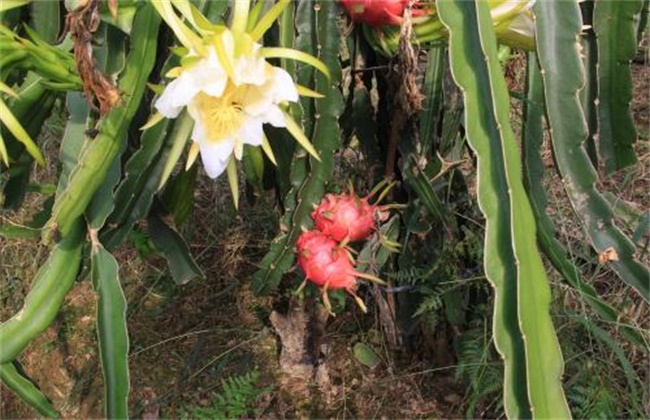
Dragon fruit produces an extremely large number of flowers. On average, each branch produces 2.7 flower buds per flowering season. Generally, keeping 2 or more flowers per branch is enough, and it is best to keep one flower. Three days after pollination, the extra flowers above can be removed. This is because dragon fruit flower buds also consume nutrients. If they are not thinned in time or are thinned too late, the larger the flower buds grow, the more nutrients they consume, and the greater the impact on the later growth and ripening of the fruit. As for whether to keep the flower at the top or the bottom, this depends on the actual situation, because in some orchards the branches are close to the ground. If the flower is kept at the bottom, first, weeds are difficult to manage, which is not conducive to fruit growth, and rainwater will also splash onto the fruit, polluting the fruit surface with weeds. Therefore, it is recommended to keep the fruit at the top.
2. Artificial assisted pollination
Although dragon fruit can self-pollinate, cross-pollination has a higher fruit-setting rate, and the fruit is large and tasty. Therefore, artificial assisted pollination can be used in production to improve the fruit-setting rate and yield quality. In the evening or in the morning when the flowers are open, use a writing brush to dip some pollen from the stamens and anthers of one flower and dab it onto the stigma of another flower. In this way, pollination can be completed.
3. Preventing fruit cracking
The dragon fruit fruiting period coincides with the high-temperature season. At this time, the temperature is high and the humidity is low, the fruit grows quickly, and fruit cracking is very likely to occur, so special attention must be paid in management. First, do a good job of moisturizing the bed surface. Rice straw or stalks can be used as mulch to retain moisture, trying to keep the soil moisture content uniform and reducing the occurrence of a sudden rise in soil moisture content caused by sudden heavy rain, which can cause the fruit to split open due to absorbing too much water.
4. Fertilization
Flowering and fruiting is the period of greatest fertilizer demand in the entire growth period of dragon fruit. It is recommended to choose water-soluble fertilizer. It not only has high nutrient content, but can also be suitable for foliar spraying, drip irrigation, and flushing application, and can also be used together with traditional compound fertilizer to supplement the deficiencies in the fertilizer. In addition to providing crops with major elements, it can also supplement balanced trace elements and provide crops with balanced nutrients. It can improve various resistances of the plant, promote root growth and development and flower bud differentiation, and promote the fruit to mature and go on the market as soon as possible.
The above is an introduction to the key points of dragon fruit flowering period management. I hope it can help you. If you want to learn more related knowledge, please follow us.