How to manage Bingtang oranges for high yield? Detailed technical points
Bingtang orange, also known as Bingtang mandarin, is a fine variety of sweet orange. It tastes sweet, has thin peel, crisp and tender flesh, and excellent nutritional value. Regular consumption can have the effects of clearing heat and detoxifying, relieving cough and reducing phlegm, improving eyesight, and promoting diuresis, bringing many benefits to the human body. It is now planted in many places, so how should it be managed to increase the yield of Bingtang oranges? Let's take a look together.
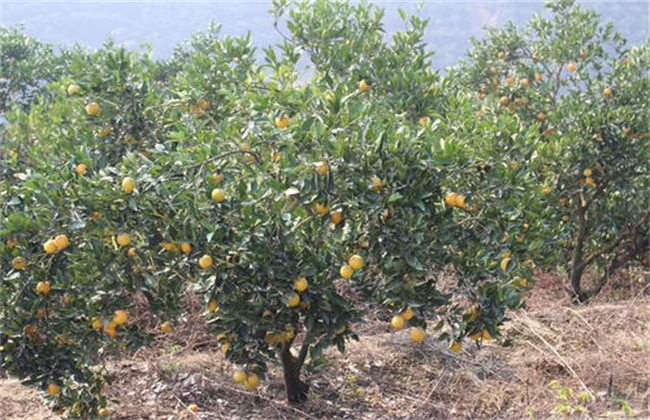
1. Preparation before sowing
A plot with sufficient sunlight, no pollution, low altitude, and good drainage and irrigation should be selected. Dig a hole in the ground, and the depth of soil preparation must not be less than 30 cm. This can improve soil softness and permeability, and enhance nutrient absorption and water and fertilizer retention. In addition, the choice of cultivated variety is also relatively important. It is recommended that large-scale growers choose the Jin Hong and Jin Yu varieties. These two varieties have uniform fruit shape, smooth and bright fruit surface, good fruit quality, strong yielding and high-yield performance, and relatively high economic value.
2. Fertilizer management
For young trees, the principle of frequent but light application and small amounts applied multiple times should be followed. After planting, water thoroughly to set the roots, and fertilization can begin 1 month later. Each time new shoots sprout, apply Sea Elf microbial stimulant root application type + strong-effect base fertilizer 1 to 2 times. This is beneficial for new shoot budding and sturdy branches and trunks. In addition, attention should also be paid to organic fertilizer in winter. For fruit-bearing trees, fertilizer should be applied before spring shoot budding and during the flowering period, mainly with base fertilizer, combined with drenching application of Sea Elf microbial stimulant root application type, to promote budding and improve flowering quality. Foliar fertilizer can be sprayed during the flowering period to supplement vitamins, which can increase the fruit-setting rate. In July-August, apply fruit-strengthening fertilizer, mainly phosphorus and potassium fertilizer and organic fertilizer, to promote the expansion of young fruit.
3. Pruning and shaping
Pruning of young trees is mainly for shaping the tree form. After the budding period of young trees, 3 to 4 branches can be selected and shortened to promote the emergence of new buds and form a good crown. For fruit-bearing trees, dead branches and thorns on the branches should be cut off in spring. After the second physiological fruit drop ends, pepper short-prune the flower and fruit-dropping branches, and thin out pest-damaged branches, declining branches, and excessive weak branches. During the fruit expansion period, pull down strong and vigorously growing summer and autumn shoots.
4. Pest and disease control
The prevention and control of pests and diseases is extremely important. Pests and diseases can seriously affect all growing organs of Bingtang oranges, weaken photosynthesis of branches and fruit trees, lead to insufficient nutrient accumulation, reduce flowering and fruit-setting rates, and cause varying degrees of impact on quality and yield. In severe cases, they can even cause the death of fruit trees. The pests and diseases that affect Bingtang oranges include anthracnose and red spider mites. Before control, first understand their symptoms, then frequently observe the growth of the fruit trees, and deal with them promptly once discovered to reduce losses.
The above is an introduction to the high-yield management techniques for Bingtang oranges. We hope it can help you. If you want to learn more related knowledge, please follow us.