How to Treat Citrus Trees After Frost Damage
The market for citrus in China is still very large, and it also has a very extensive planting area in China. The peak season for citrus is generally autumn and winter, but because the temperatures in autumn and winter are relatively low. Although citrus is an in-season fruit, if it is not managed well, the citrus trees are also prone to frost damage. So how should citrus trees be handled after frost damage? Today the editor will give you a brief introduction, let's take a look below!
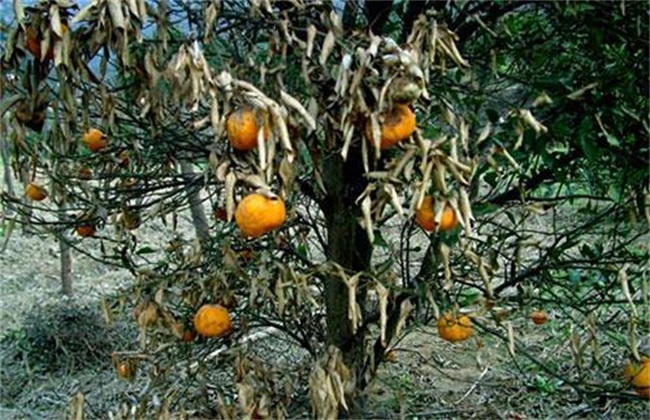
1. Harvest Fruit in Time
If the citrus trees suffer frost damage during the fruiting period, then the first thing we need to do well is to harvest the fruit in time. Harvesting fruit in time can effectively reduce the load on the fruit trees, avoid excessive nutrient consumption, and prevent it from affecting the flowering and fruiting of the citrus trees the following year. It can also prevent the already frost-damaged fruit from producing bacteria that spread on the fruit trees and cause the condition to worsen. When picking, pay attention to protecting the branches and trunks to avoid injuring them. After picking, grade and classify the fruit and bring it to market for sale as soon as possible. For the fruit damaged by freezing, gather it together and treat it by deep burying and burning.
2. Reasonable Pruning
After citrus trees suffer frost damage, we should pay attention to reasonable pruning according to the degree of frost damage to the citrus trees. This is mainly aimed at citrus saplings. If the twigs and shoots are not damaged, and the leaves are frost-damaged but have not withered and fallen off, then the leaves should be removed in time. This avoids excessive loss of nutrients and water from the tree body and prevents the citrus branches from dying. If the twigs and shoots are frost-damaged and have already dried up, then after sprouting they should be pruned in time, keeping healthy branches and cutting off the dead parts. Adult citrus trees will have leaf drop after frost damage, and the flowering rate will increase, but there will be many deformed flowers, so the fruit-setting rate is not high. Therefore, deformed flowers and excessive flowers should be thinned in time. For trees with severe frost damage, all flowers should be thinned to promote the sprouting of new shoots.
3. Cultivation and Fertilization
Cultivation is mainly to renew old roots and promote the sprouting of new roots, and the depth of loosening the soil should be kept at about 12 cm. Also, after citrus trees suffer frost damage, fertilizer should be applied as early as possible to promote new shoots, ensure the tree vigor recovers as soon as possible, and avoid too great an impact on yield. The fertilizer should mainly be quick-acting nitrogen fertilizer, preferably applied as water-soluble fertilizer, with the principle of applying more frequently and in small amounts. Apply it in combination with cultivation work, applying an appropriate amount of decomposed farmyard manure or compound fertilizer to each tree to promote root development. At the same time, an appropriate amount of foliar fertilizer can also be sprayed about every ten days to help restore the growth vigor of the citrus trees as soon as possible.
4. Pest and Disease Control
After citrus trees suffer frost damage, their tree vigor is very poor, and the resistance of the tree body also decreases, so they are extremely prone to various pests and diseases. Therefore, we should also pay attention to doing a good job in pest and disease control. After frost damage, spray pesticides in time for prevention. Thiophanate-methyl and similar products can be used to spray the interior of the canopy to prevent diseases such as resin disease and anthracnose. Spray for the first time when the new buds of the citrus trees have sprouted about 50 mm, and then spray again at stages such as when the new leaves unfold and the new shoots mature.
The above is a brief introduction to how to handle citrus trees after frost damage. That is all for today's introduction. This article is for reference only, and I hope it can be helpful to everyone!