What are the symptoms of iron deficiency in peach trees?
Peach trees are cultivated throughout China, and peaches are a fruit that many people enjoy eating. When fertilizing peach trees during planting, we need to ensure a sufficient and comprehensive supply of nutrients. This is especially true for trace elements such as iron. If a peach tree lacks iron, it will develop iron deficiency, which affects its growth. So what are the signs of iron deficiency in peach trees? And how should it be prevented and treated? Below, the editor gives a brief introduction for everyone. Let's take a look!
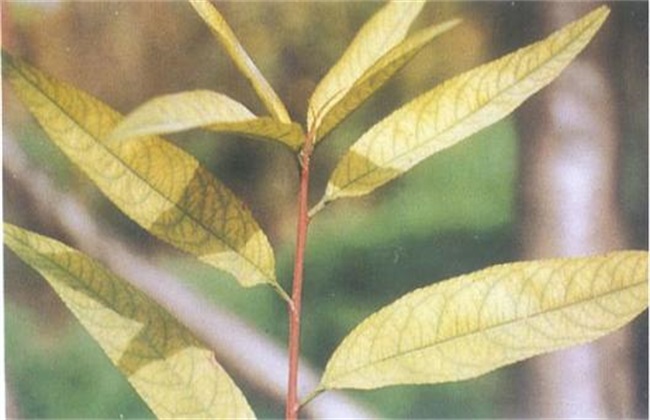
1. Symptom manifestations
After a peach tree develops iron deficiency, the leaf mesophyll gradually loses its green color and turns yellow, while the areas on both sides of the leaf veins do not change much, causing the leaf surface to show chlorosis in the form of a green net-like pattern. As the condition worsens, the chlorosis of the leaves intensifies, causing the entire leaf to turn white. The leaf margins also gradually scorch and die, resulting in severe leaf drop. If the iron deficiency is severe, the tips of the new shoots on the peach tree will also die. The fruit of affected trees cannot develop color, and because iron is difficult to translocate within the fruit tree, the symptoms of iron deficiency generally begin with the young leaves at the tips of new shoots.
2. Conditions for occurrence
Under normal circumstances, the soil iron content in most orchards is relatively sufficient. However, if the orchard soil is saline-alkaline, the soluble ferrous iron in the soil will gradually convert into insoluble ferric iron. Peach trees simply cannot absorb and utilize it, resulting in iron deficiency symptoms. Therefore, any factor that causes soil salinization may become a cause of iron deficiency in peach trees. In addition, when the soil is too dry, water evaporating from the surface will concentrate in the topsoil. Furthermore, heavy clay soil and poor drainage and irrigation can also easily cause iron deficiency in peach trees.
3. Prevention and treatment methods
Improving the soil and increasing the iron content in the soil is the key measure for preventing and treating iron deficiency in peach trees. We can add an appropriate amount of soluble iron to the soil, which can effectively treat peach trees with iron deficiency. Then, by increasing the application of organic fertilizer, planting green manure, and other measures, we can increase the organic matter content in the soil and improve the soil's physical and chemical properties. By digging trenches for drainage, lowering the groundwater level, and improving soil permeability to treat the problem of overly alkaline soil, we can effectively reduce the yellowing of peach tree leaves. For diseased trees with iron deficiency, we can supplement soluble iron through various methods.
The main approach is still prevention. Before peach trees bud, we should spray an appropriate amount of ferrous sulfate on the branches and trunk, which can control iron deficiency in the short term. We can also apply an appropriate amount of chelated iron to the soil, which can noticeably treat yellow leaf disease. Then, before the fruit trees bud, we can scarify the lateral roots of the peach tree and then soak them with ferrous sulfate. Alternatively, we can inject ferrous sulfate or ferric citrate into the trunk. However, if the injection method is improper, it can easily cause phytotoxicity, so everyone should pay close attention.
The above is a brief introduction to what the signs of iron deficiency in peach trees are. That is all for today's introduction. This article is for reference only, and we hope it can help everyone!