What are the precautions for harvesting citrus? Growers need to master these key points
The peel of citrus is relatively soft, and it is very easy to damage during picking, so extra care is needed. There is also a right way to pick citrus, so what issues need attention? Here are a few important points to understand.
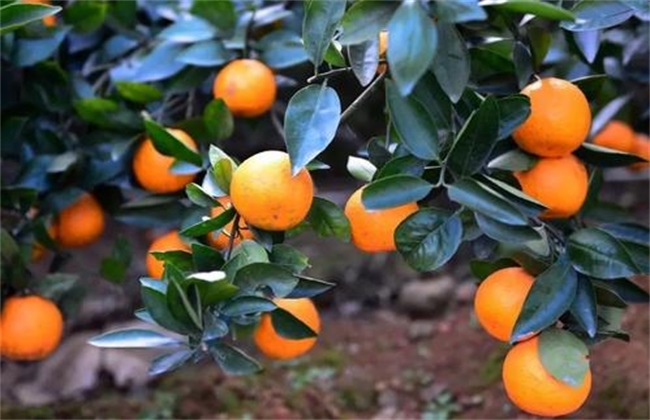
1. The weather must be suitable
When picking citrus, you cannot just pick at any time; you need to check the weather conditions. If the weather is bad, picking will have a relatively big impact on the fruit trees, and it is also not conducive to harvesting. Picking in rain, wind, or heavy fog carries greater risk and is not suitable for outdoor work. If there is heavy dew, you need to pick later, waiting until the dew has dried before picking, otherwise it can easily cause the fruit trees to become infected with disease. Generally, picking in sunny or cool weather is most suitable, because besides making harvesting easier, it has the least impact on the fruit trees.
2. Harvest in batches
When harvesting, pay attention to doing it in batches. Do not pick all the fruit at once, as some may not yet be ripe. The first to be picked should be the fruit in the upper-middle positions. This kind of fruit is generally of the best quality and can be used as a premium variety to seize the market. When picking citrus at the top, it is best to set up something like a ladder to avoid having to pull hard because the height is not enough, which would cause great losses. Citrus of each grade should be packed separately. If all the fruit on one tree is to be picked, you can pick from the bottom upward. Everyone can proceed according to their needs; just be sure to harvest in batches.
3. Be careful not to damage the fruit
The skin of citrus is very thin, so be careful not to damage the fruit. For safety reasons, pickers should wear gloves to avoid fingers poking through the citrus or fingernails piercing it, because once citrus is broken open it rots very easily, which is not good for storage and transport. Scissors are standard equipment for picking, but some users, for the sake of efficiency, cut every fruit with one snip regardless of whether it is suitable, causing many fruits to suffer varying degrees of damage. Pay attention to the problem of damaging the fruit. The fruit baskets used for harvesting should be checked for sturdiness; do not use ones with protrusions on the surface, and try to use round ones, as this makes it less likely to bruise the fruit.
4. Do a good job of caring for the fruit trees
Harvesting does not mean the matter is finished; the fruit trees still need care work. Only then is a complete harvest finished. During the harvesting process, some fruit trees will inevitably be damaged, so these trees need to be treated to prevent the losses from expanding. Next, carry out overall disinfection of the orchard. There are many wounds left from cutting the fruit, and at this time citrus trees are extremely vulnerable to invasion by external pathogens. Finally, appropriately replenish water and fertilizer so that some fruit that is not yet ripe can continue to grow.
The above are the issues to pay attention to when harvesting citrus. Once citrus is damaged, it will rot very quickly in a short time, and then spread to the surrounding fruit. Therefore, when storing, be sure to check more often and take out any problematic ones directly. Do not take this risk.