How to grow melons for high yield? Detailed explanation of key planting techniques
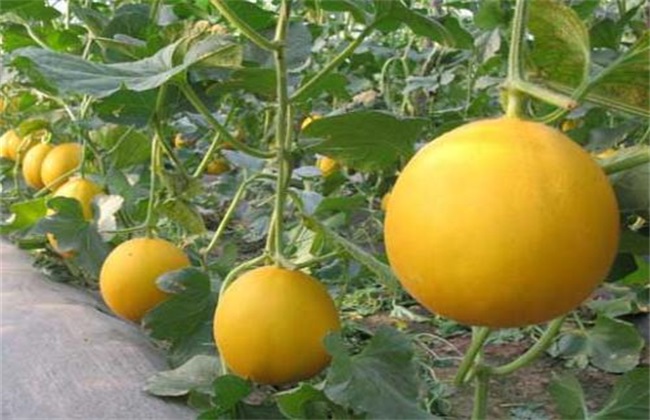
Melon yield has always been a concern for growers, as the spreading nature of the plants often leads to unsatisfactory fruiting. If you want high melon yields, you cannot be careless from planting to harvest. Let's take a look below at how to achieve high melon yields.
1. Seed selection
Seeds determine the later growth of the plants, so seed selection must be done well in the early stage. During storage, some seeds will always be damaged. The more obvious signs are mold and cracked seeds. Such seeds are useless and should be removed first. Next, the quality of the seeds must be ensured. Some deformed or abnormal seeds should also be removed. High-quality seeds are large and relatively plump. Seeds with dull seed coat color that look very flat should also be removed. This is the first step to ensuring high yield.
2. Timing selection
The choice of timing also affects the quality of the melon seedlings. February to March is a relatively suitable sowing season. The sunlight during this period is generally not too strong, but continuous cold and overcast weather may occur. During this period, choose a later period with relatively warmer weather, so that when the melon seeds sprout they will not freeze to death or be damaged, which would affect later growth.
3. Fertilizer and water supply
Sufficient fertilizer and water are the guarantee of high yield. The root system of melon seedlings is very shallow, so water evaporates easily and frequent watering is needed, determined by the moisture level of the soil, generally controlled at about once every 7-10 days. The fertilizer needed at each growth stage has a different focus, so fertilization must be targeted. For example, in the early stage, organic farmyard manure is mainly used to ensure the needs for various nutrients. During the growth period, fertilizers rich in nitrogen can be appropriately added to promote lush plant growth. Ensuring sufficient fertilizer and water is enough.
4. Artificial pollination
If sowing is done earlier, there will not be many insects that can help pollinate melon flowers by the time the pollination season arrives, so artificial help is needed at this time. When pollinating, give priority to pollinating flowers with good growth. Flowers with poor growth or even those about to die can be considered for removal. Each melon seedling can generally grow about 7-8 melons, so at this time the number of artificially pollinated flowers should be controlled at about 8-10, because some flowers are still naturally pollinated.
5. Pruning and fruit retention
Once the melons have grown out, this high yield is basically determined. At this time, it is enough to ensure these melons grow normally. When the melons on the plant are growing poorly, first check whether it is due to insufficient fertilization. If not, it means the plant's nutrient supply speed is a bit unable to keep up, so a few should be appropriately removed to ensure the other melons can all grow well.
To grow melons for high yield, you must be willing to let go. Being too greedy will cause the other melons to grow poorly too, and your own yield will naturally be low. If you want high yield, you must plant according to each stage and pay attention to every detail. Only with effort is there reward.