The correct methods and precautions for root pruning in citrus
Citrus roots have a strong ability to self-thin and renew. After aging or when the environment is unfavorable, they can die on their own and be replaced by newly grown roots. Therefore, carrying out root pruning and root promotion treatments in stages can promote root expansion, make the roots grow deeper, and also improve yield and quality. So can citrus be root-pruned in winter, and how should it be done? Let's take a look together with the editor.
I. Timing of root pruning
Generally, young citrus trees need to be root-pruned 2 times per year, once in June and once in August. For fruit-bearing trees, root pruning can be done once a year, and it can be done in either June or August. Therefore, as for whether citrus can be root-pruned in winter, this is obviously impossible. In winter, the temperature is low, and the plant enters dormancy. At this time, root activity is low. If roots are pruned at this time, the roots not only cannot recover in time, but also have weak resistance to low temperatures, which can very easily cause the plant to die.
II. Root pruning methods
1. Root pruning of young trees
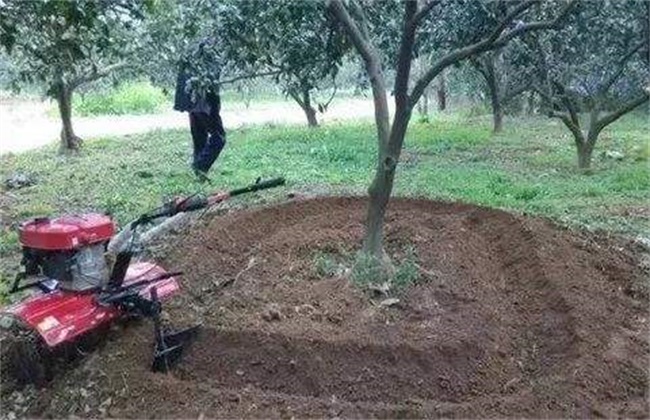
For the first root pruning of young trees, a trench should be dug on both sides of the canopy. The length of the trench is about 70 cm, and the depth is about 40 cm. The width is not limited; generally, being able to cut through the root system is enough. After root pruning, apply fertilizer in the trench. For each tree, apply 50 jin of green manure, 0.2 jin of urea, 0.5 jin of superphosphate, and 5 jin of human manure and urine water. It is best to backfill the trench with soil until level. The second root pruning is done for the same reason as the first, just carry it out on the opposite two sides of the canopy.
2. Root pruning of fruit-bearing trees
A trench should be dug on both sides of the canopy. The length of the trench is about 3 m, and the depth is about 70 cm. The width is likewise just enough to cut off the roots. After root pruning, fertilizer should also be applied, but the amount of fertilizer at this time should be greater than for young trees. For each plant, apply 50 jin of green manure, 0.7 jin of urea, 2 jin of superphosphate, and 80 jin of human manure and urine water, then cover with soil and level it.
III. Details to note
In dry seasons, watering is needed after root pruning. In particular, there are also key points for root pruning of young trees. For example, for trees that are growing vigorously or have reached fruiting age but have not borne fruit, key root pruning should be carried out. For fruit-bearing trees, after root pruning, the wounds need to be trimmed to make them smoother. If the wound is relatively large, then some medicinal solution should be applied to the wound, such as carbendazim, in order to prevent root rot. Young trees need to be root-pruned twice a year, once in June and once in August; while fruit-bearing trees, although also root-pruned during this period, are pruned only once a year, that is, choose between June and August.
The above is an introduction to citrus root pruning methods and precautions. I hope it can help you. To learn more related knowledge, please stay tuned to us.