What to Do About Stunted Citrus Seedlings? Cause Analysis and Preventive Measures
Citrus is one of our most common fruits, and its market season arrives every autumn and winter, when it can be seen everywhere on the market. Although it is delicious, all kinds of problems arise during the growing process. Stunted seedlings are one of them, a phenomenon that occurs in young plants. So what causes stunted citrus seedlings? How should they be dealt with? Let's take a look together.
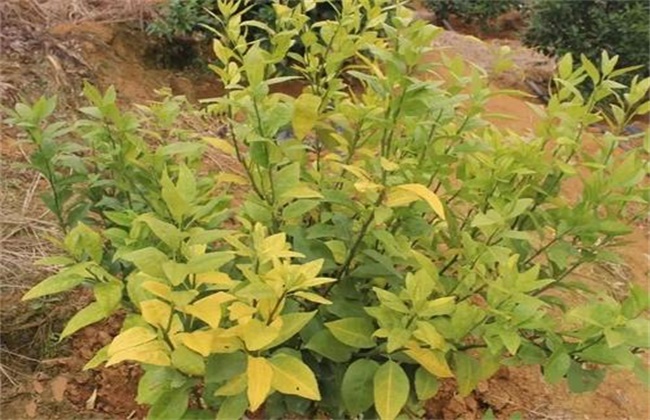
I. Causes
1. Inherently weak seedlings
Citrus seedlings may be inherently weak, with poor growth vigor and few roots. When planting citrus, the planting area is large, and not all seedlings will grow into big trees after being planted, so many plantations will more or less encounter this situation.
2. Low-lying terrain
If the planting plot is low-lying with a low groundwater table, the fruit trees are very prone to root waterlogging, causing waterlogging damage, and this situation also very easily leads to stunted seedlings.
3. Soil problems
Citrus has strong adaptability to soil, but if the soil is too acidic or too alkaline, or the soil layer is shallow, it will also affect its root growth, thereby causing stunted seedlings.
4. Low organic matter content
When the organic matter content in the soil is too low, the plants lack organic nutrients during growth and cannot supply nutrients to the fruit trees in time, so stunted seedlings occur.
II. Preventive Measures
1. Choose strong seedlings
When purchasing, be sure to select carefully and choose healthy, vigorous citrus seedlings. If you accidentally buy seedlings with weak resistance, it is recommended to gather the weak citrus seedlings together for cultivation, and transplant them to the field once they have been cultivated into strong seedlings.
2. Ridge cultivation
If planting in lower-lying plots, ridge cultivation can be adopted to raise the groundwater level, along with ditching for drainage, so as to avoid waterlogging.
3. Soil improvement
For plots with too acidic or too alkaline soil, soil improvement can be carried out, for example using quicklime to improve acidic soil. For areas where the soil is severely acidic or severely alkaline and soil improvement is difficult, it is recommended to move the citrus to plots with suitable acidity and alkalinity for planting.
4. Fertilization
For plots with low organic matter content, a large amount of organic fertilizer containing humic acid can be applied at this time, which can increase the soil's organic matter content and help the citrus plants absorb nutrients.
5. Pruning to promote roots
For normal seedlings that are in suitable plots but still show slow plant growth, the cause needs to be analyzed promptly, because underdeveloped roots absorb limited nutrients and cannot meet the normal growth needs of citrus. At this time, part of the branches and leaves of the plant can be pruned off, combined with root fertilization, to encourage the plant to grow more fibrous roots and cultivate a strong root system.
The above is an introduction to the causes of stunted citrus seedlings and preventive measures. We hope it helps you. To learn more related knowledge, please stay tuned to us.